 English
 Chinese
 Czech
 German
 French
 Hebrew
 Hindi
 Italian
 Japanese
 Korean
 Malayalam
 Portuguese
 Sinhala
 Spanish
 Swedish
 Swahili
 Tamil
 Ukrainian






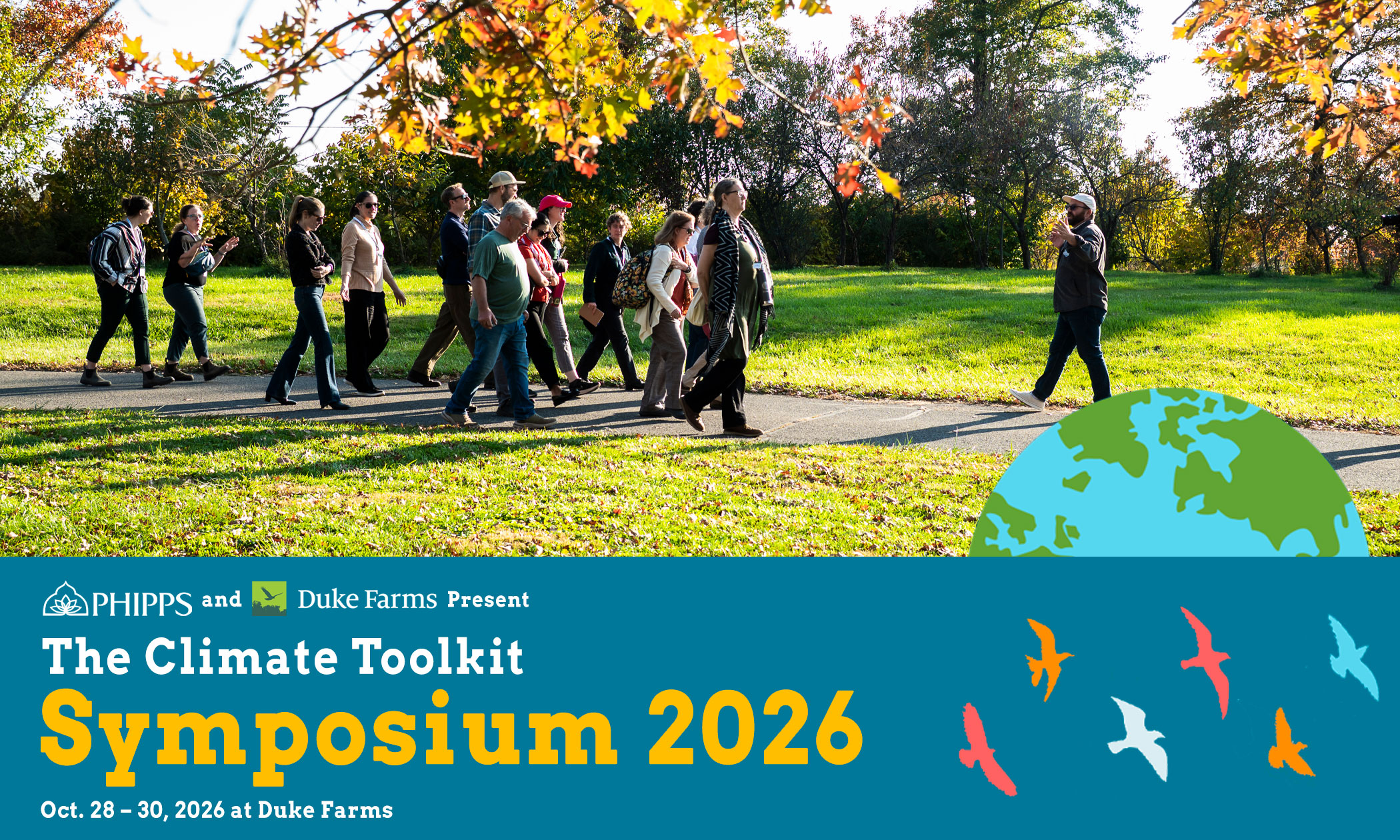
2026 Climate Toolkit Symposium Resources
OCT. 28 – 30, 2026 | DUKE FARMS, A CENTER OF THE DORIS DUKE FOUNDATION; HILLSBOROUGH, NJ
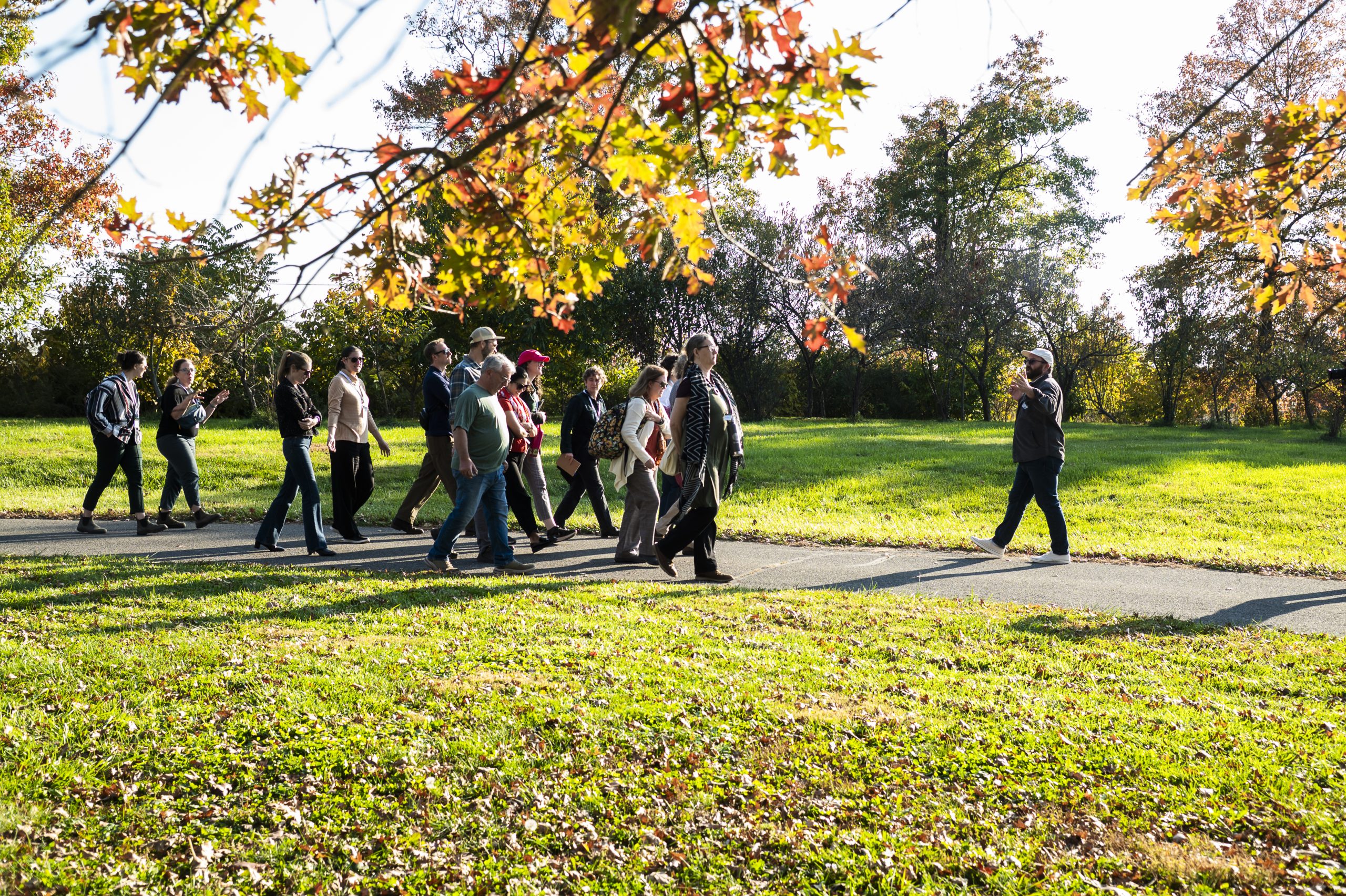
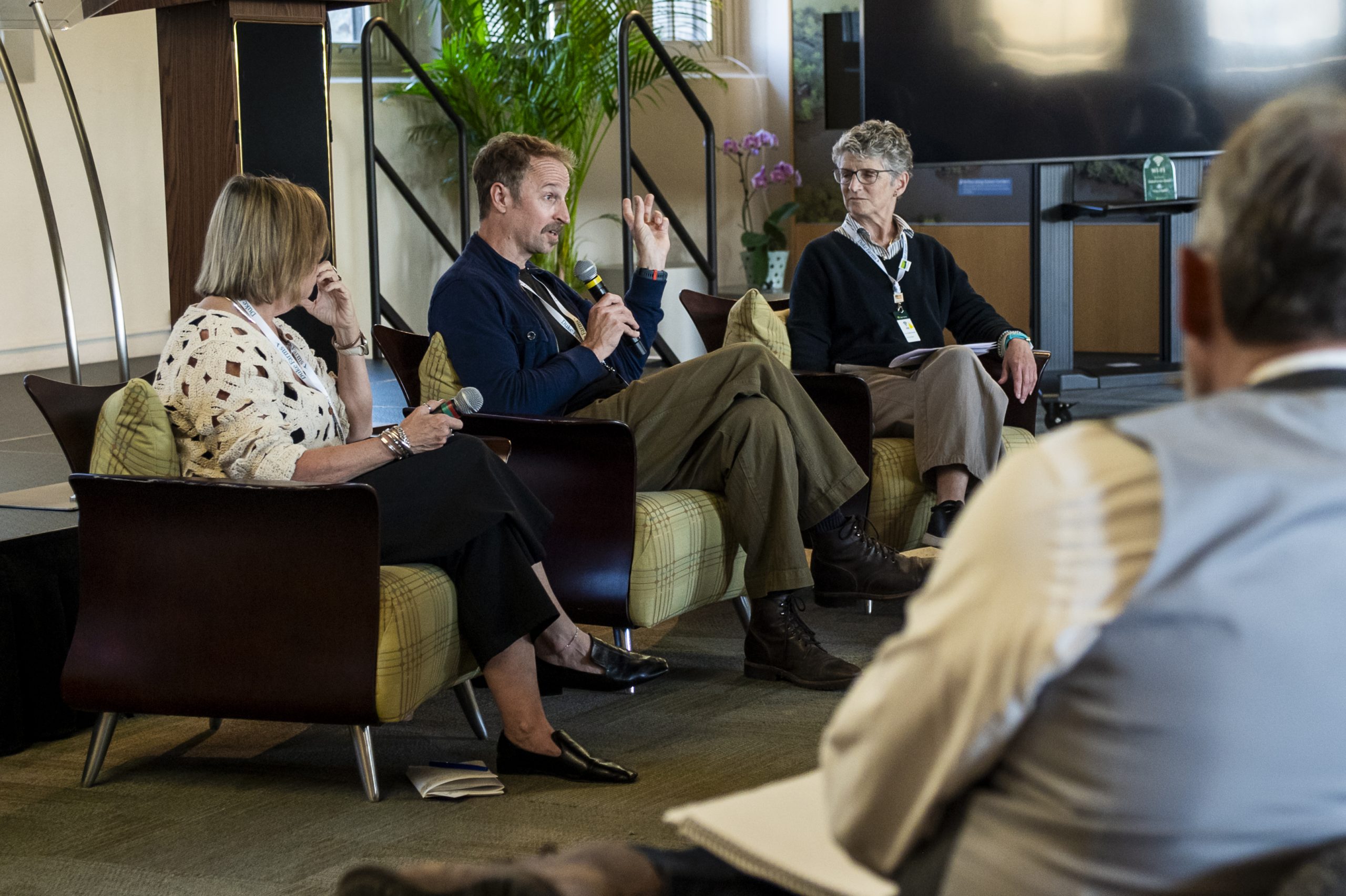
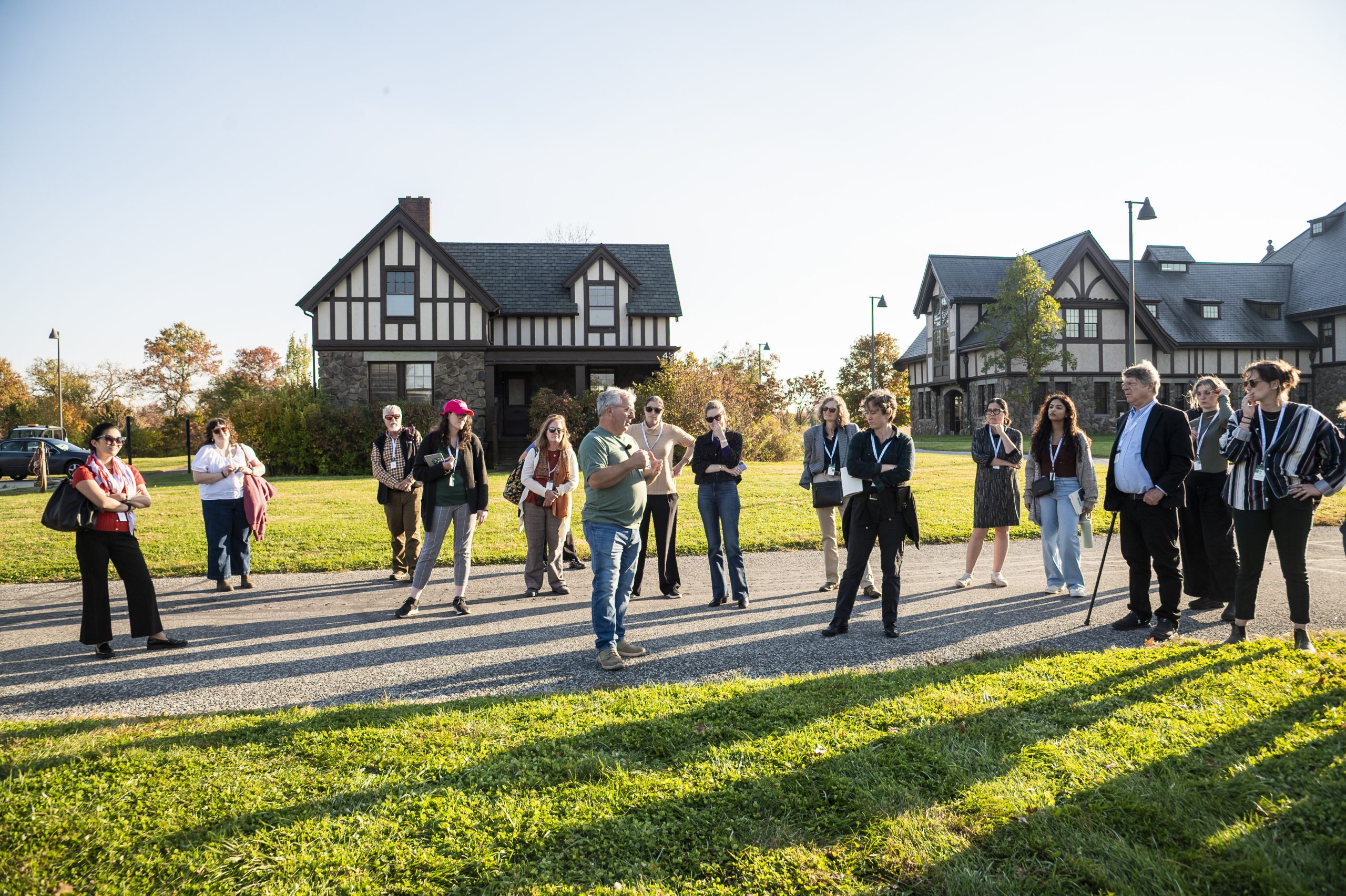
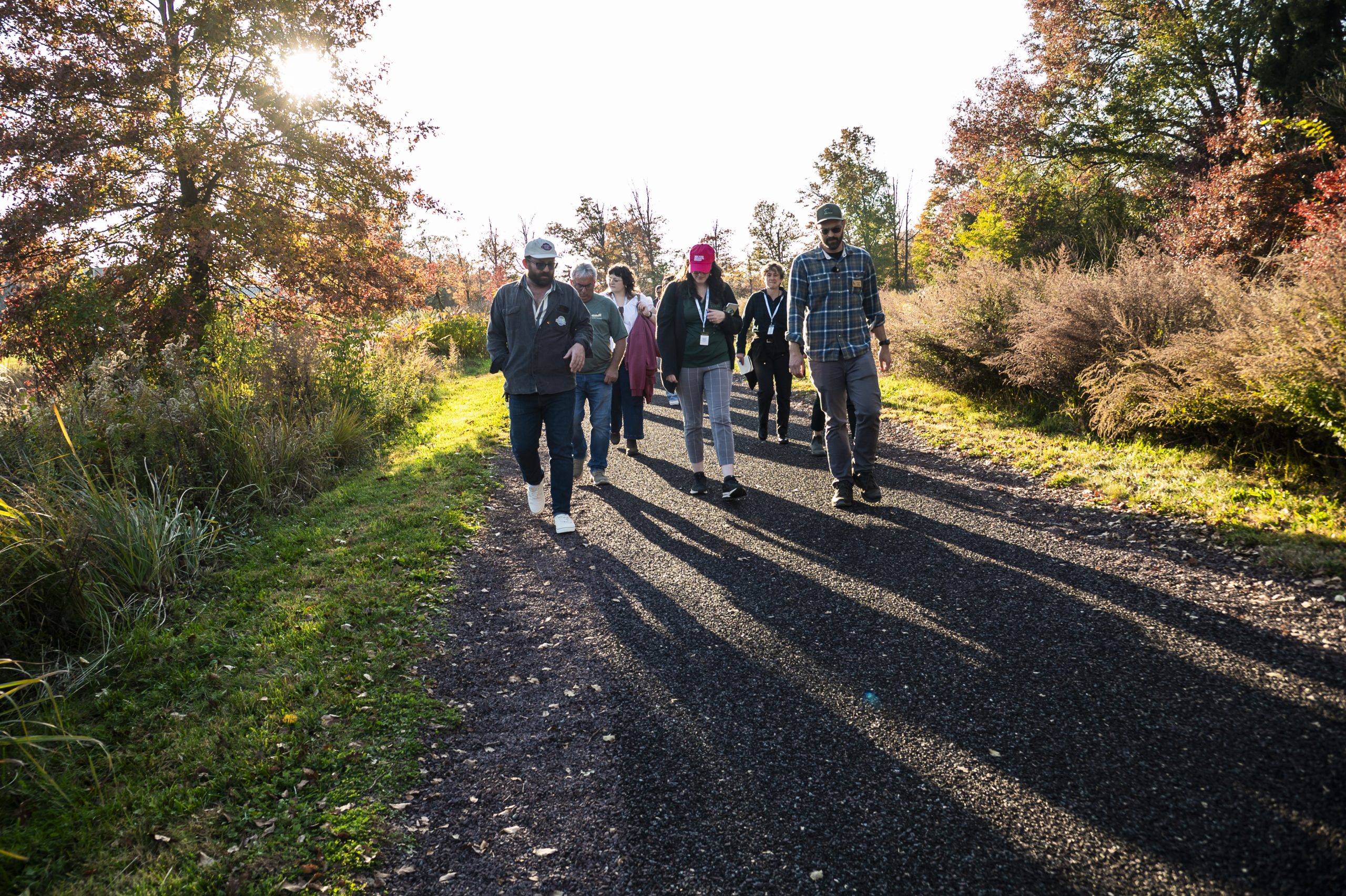
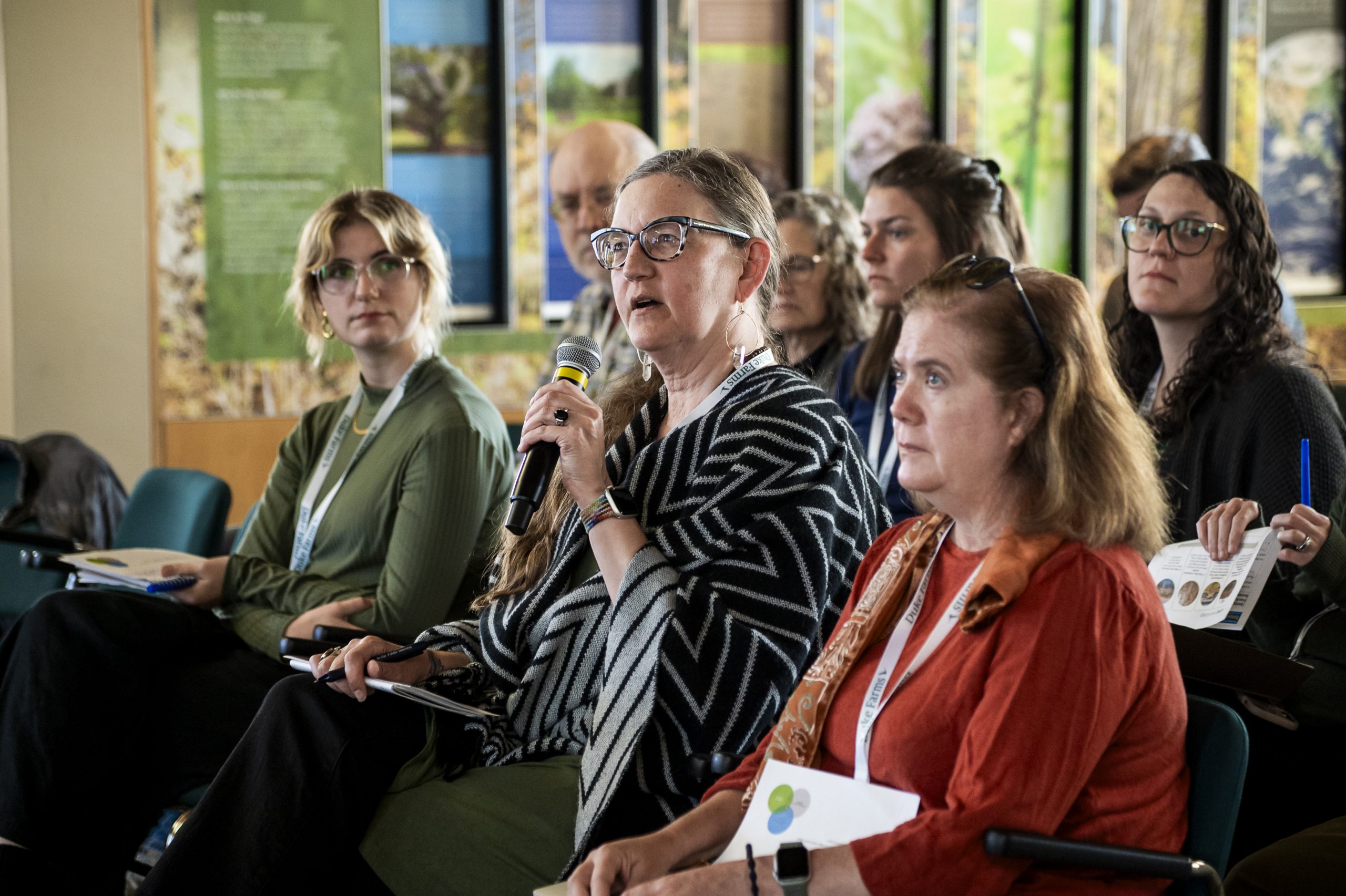
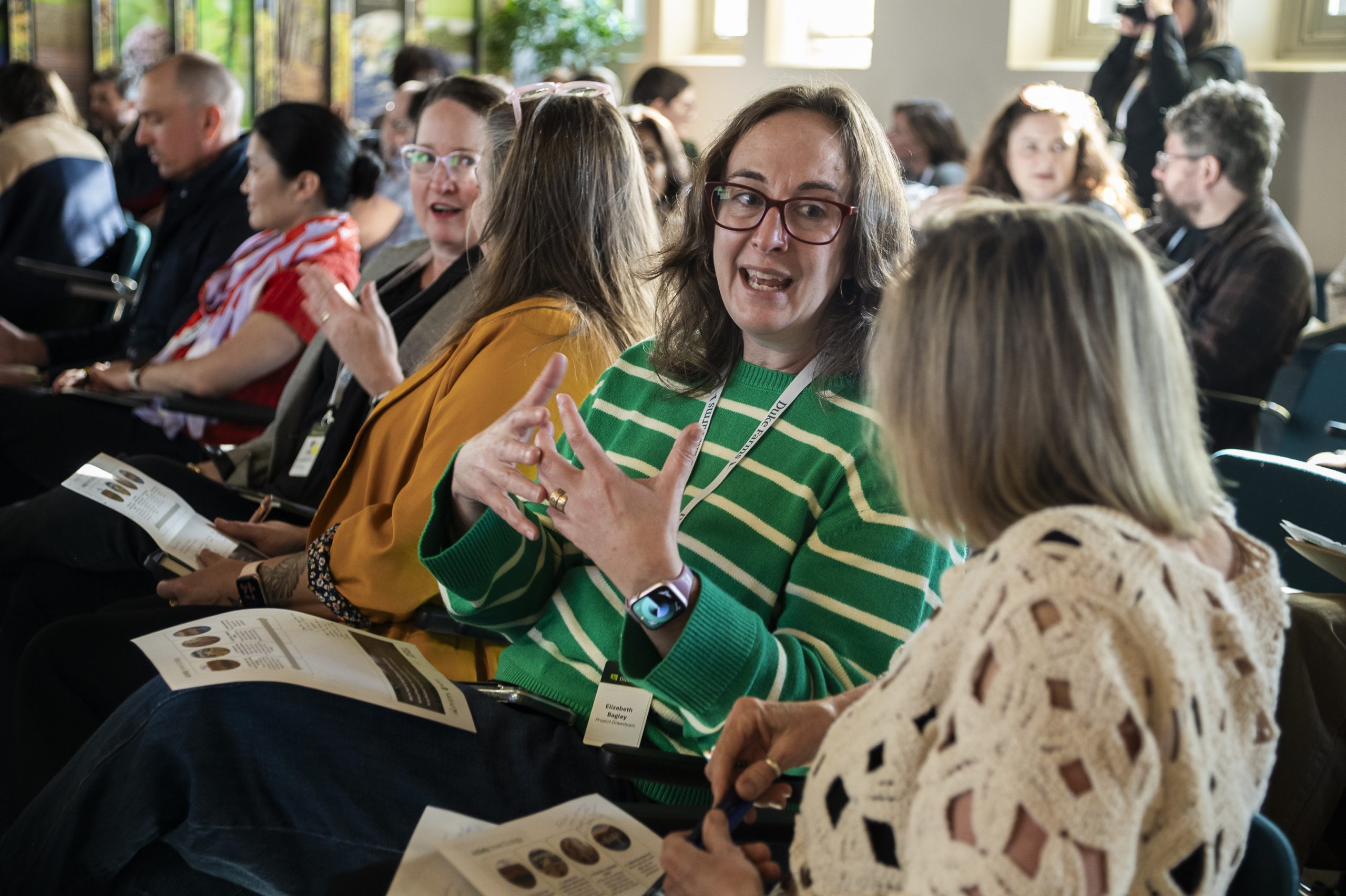
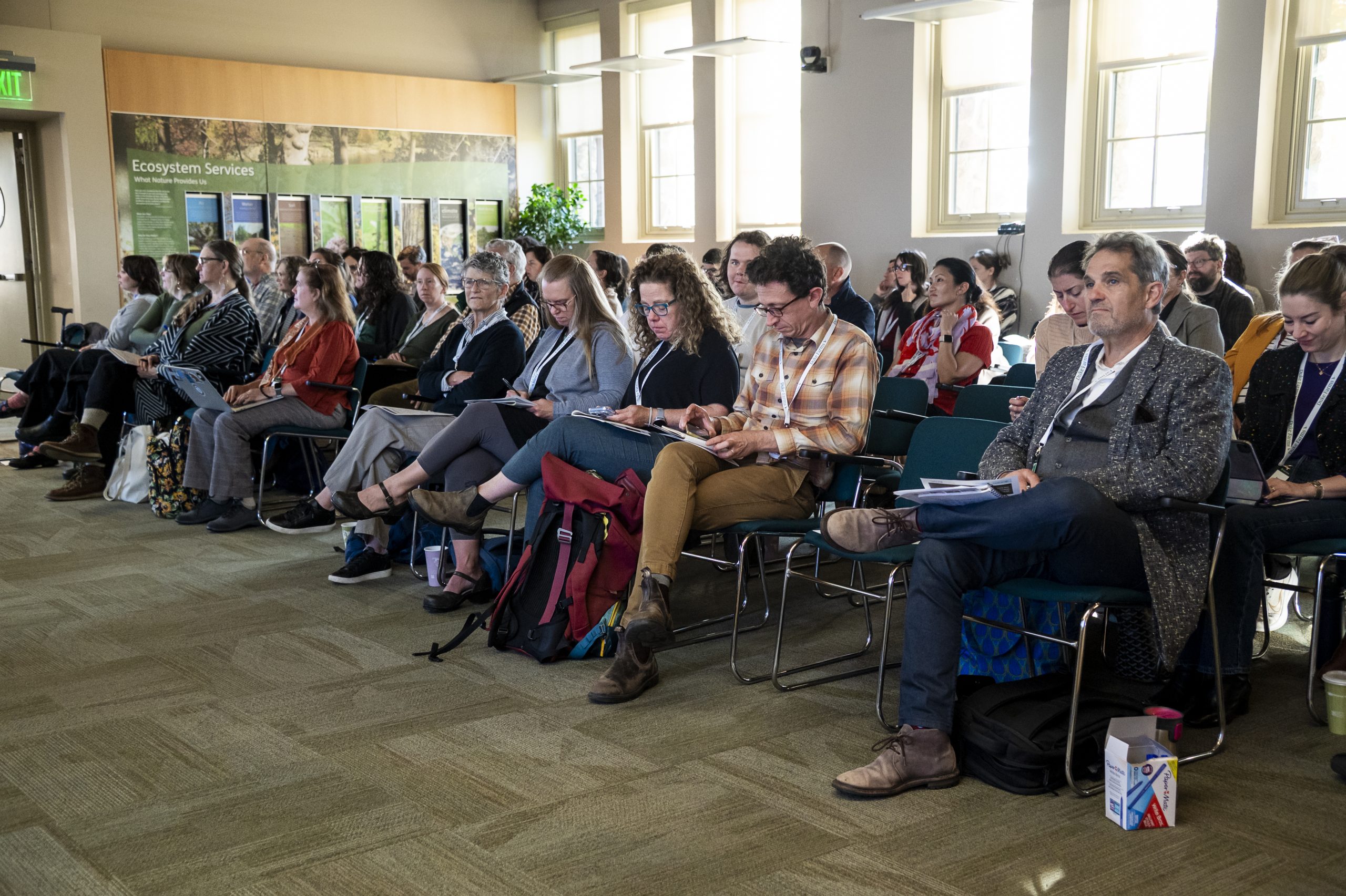
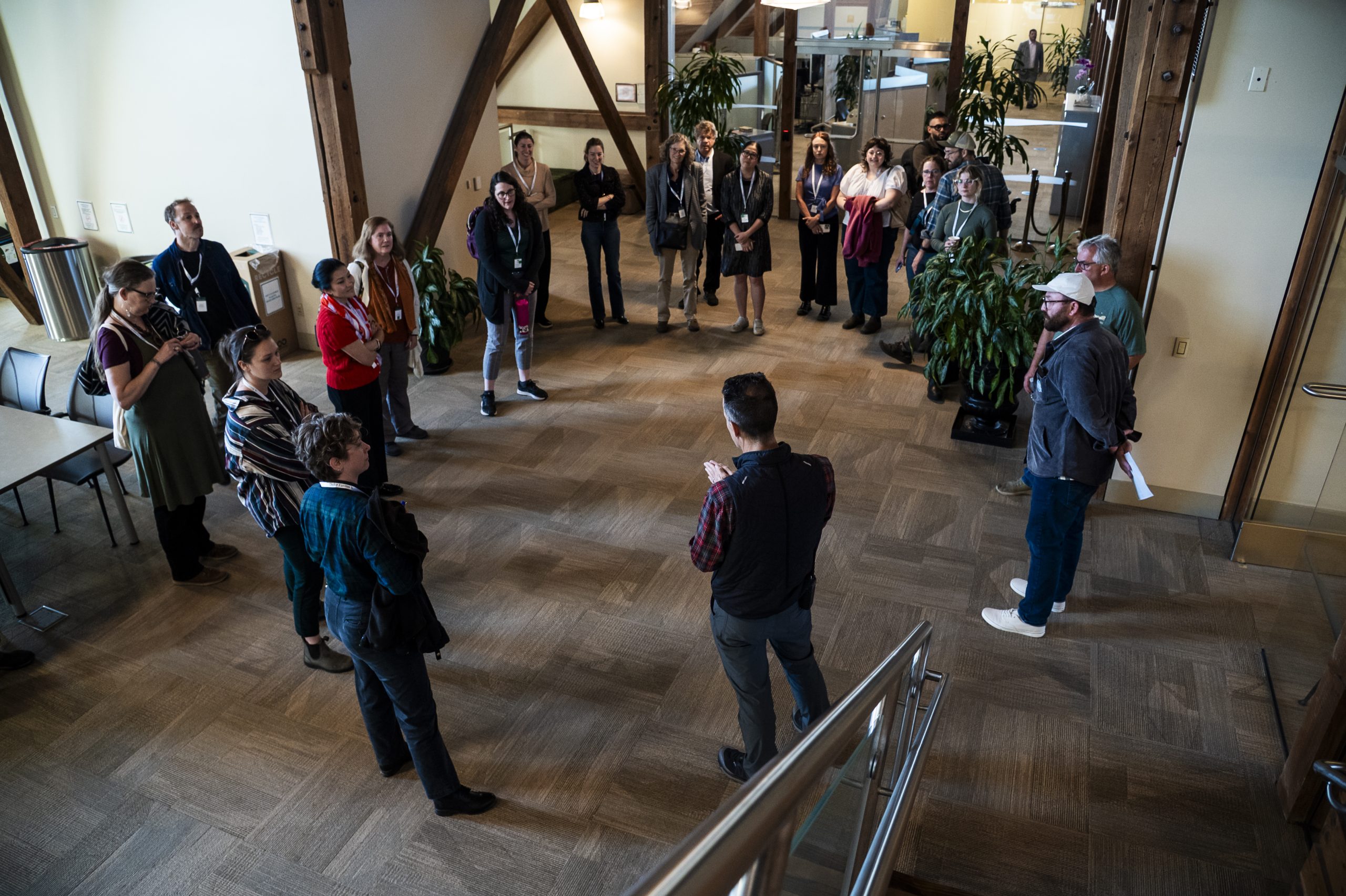
The 2026 Climate Toolkit Symposium was presented by Phipps Conservatory and Duke Farms. The conference this year took shape at the 2,700-acre living sustainability laboratory of Duke Farms, a Center of the Doris Duke Foundation. The Symposium centered around three days of learning, deep conversation and collaboration, focusing in on climate topics which included decarbonization, renewable energy, youth engagement, ecological restoration, regenerative thinking, storytelling and interpretation. We were thrilled to be in-person once again with such an inspiring collective of cultural institutions. and look forward to the work ahead.
How to Use This Resource
On this page, you’ll find 2026 Symposium plenary and breakout sessions represented with video recordings, presentation slide decks, links and literature. Check out the visual teaser, filmed by Duke Farms, a Center of the Doris Duke Foundation, for a quick overview of the Symposium and then dive into the resources below!
Keynote Address: Elizabeth Bagley from Project Drawdown
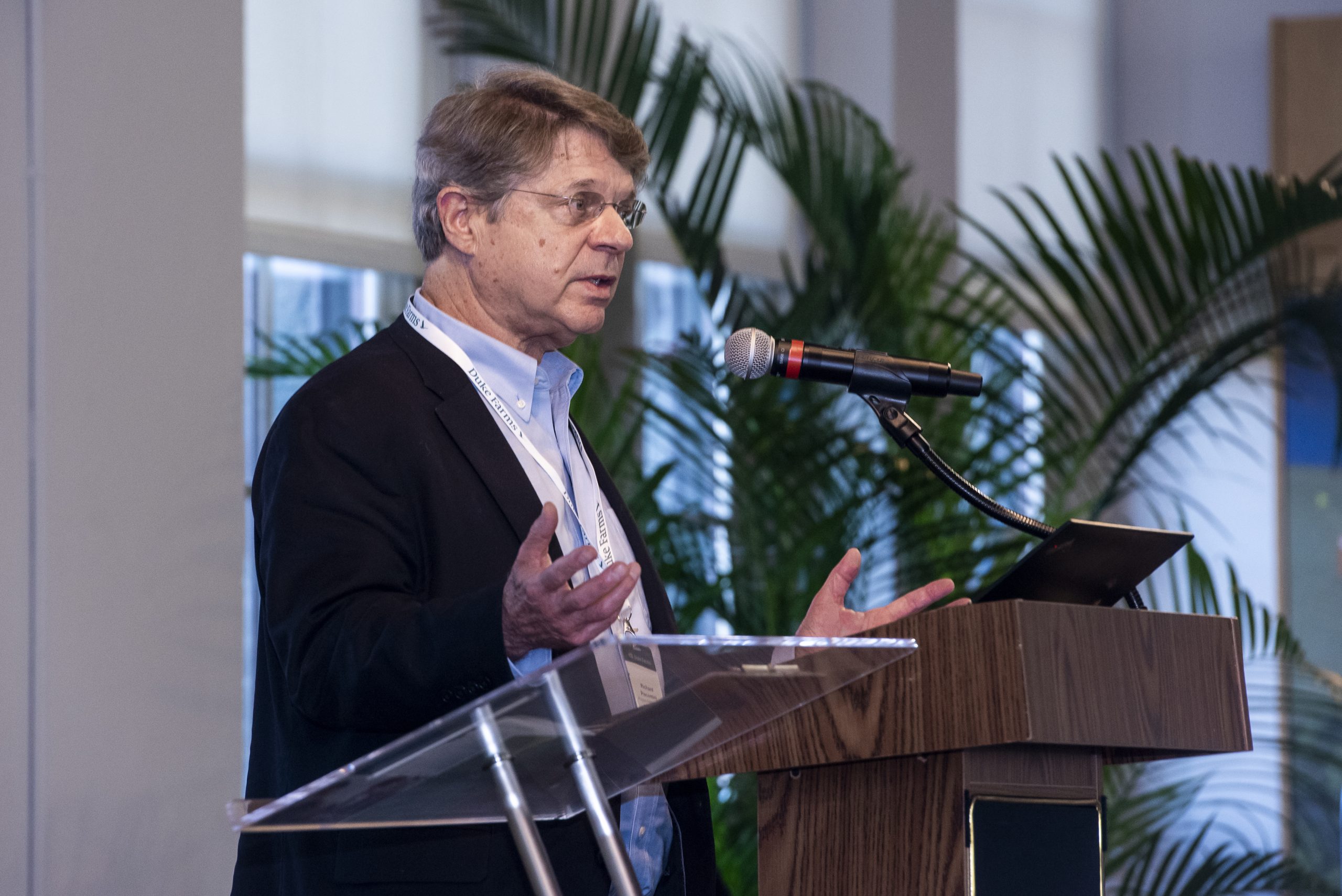
Dr. Elizabeth Bagley, Managing Director of Project Drawdown, set the stage for the 2026 Climate Toolkit Symposium with a beautiful keynote address which shared a vision of a future of possibility when climate action succeeds, and cultural institutions are leading the way. Welcome remarks by Richard V. Piacentini, President and CEO of Phipps Conservatory, and Margaret Waldock, Executive Director of Duke Farms, opened the reception.
Video Recording:
Project Drawdown Resources:
From Burnout to Regeneration: Reconnecting to What Matters in Climate Action
The first plenary session of the Symposium featured an interactive and reflective workshop on how regenerative thinking can help climate leaders reconnect with purpose, move beyond burnout, and build more resilient approaches in the work. The session featured Richard V. Piacentini, President and CEO of Phipps Conservatory and Botanical Gardens, and Sonja Bochart, Associate Principal of Shepley Bulfinch.
Video Recording:
Presentation Slides:
Connecting Educators to Grow Climate Change Education Programs
Discover practical approaches for connecting educators and developing engaging, effective climate education programs. This breakout session featured Kat Golden, Senior Manager of Sustainability Initiatives at Missouri Botanical Garden, Maggie McCoy, Climate Change Education Coordinator at Missouri Botanical Garden, and Bruce Gatling-Austin, Educational Coordinator at Botanical Garden of the Piedmont.
Video Recording:
Presentation Slides:
Institutional Leadership and Change
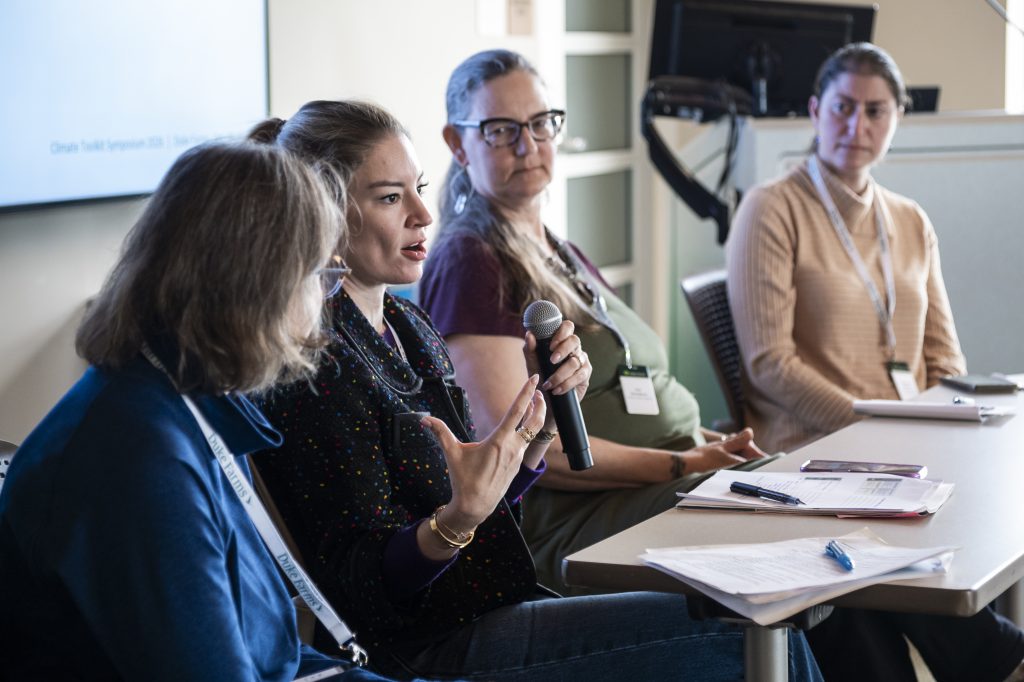
This breakout panel examined how organizational leaders at every level can make climate action an institutional priority and navigate both top-down and bottom-up change. The panel featured Rebekah Beaulieu, Louise Taft Semple President and CEO of Taft Museum of Art, Joie Grandbois, Director of Sustainability of Historic New England, Deb Reid, Curator of Agriculture and the Environment of The Henry Ford, and was moderated by Stephanie Shapiro, Co-Founder and Managing Director of Environment & Culture Partners.
Presentation Slides:
Funding Climate Action
Learn how organizations can approach fundraising, capacity building, financial planning, and capital investment to advance climate goals. This panel featured Andy Schlatter, Director of Facilities and Campus Planning at MASS MoCA, and Pamela Reed Sanchez, President & CEO of Seneca Park Zoo, and was moderated by Sarah Sutton, Co-Founder and CEO of Environment & Culture Partners.
Video Recording:
Presentation Slides:
Climate Storytelling: How to Engage and Move Your Audience
This breakout session explored how compelling stories can make climate issues more accessible, relevant, and actionable for visitors and communities. The workshop featured Lisa Hardaway, Managing Partner at Green Jay Strategies, Nora Schnure, Deputy Executive Director of Personnel and Programs at Duke Farms, Preeti Desai, Director of Communications at Jersey City Birds, and Elizabeth Sorrell, Co-Founding Partner at Green Jay Strategies.
Video Recording:
Presentation Slides:
Ecological and Climate Strategies in Historic Urban Park Restoration and Management
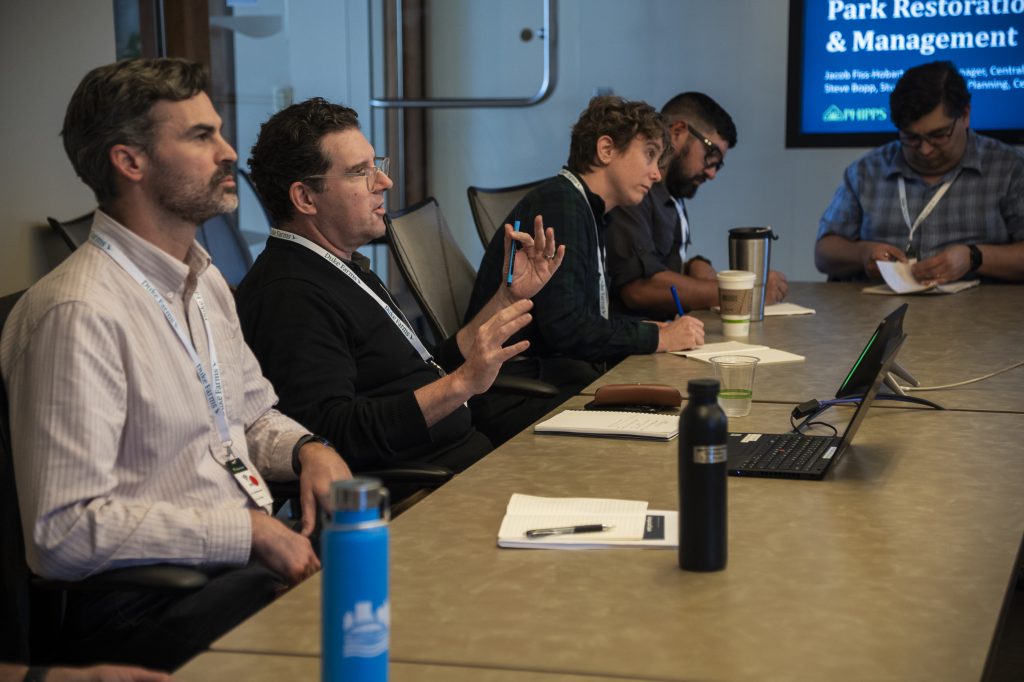
In this breakout session, Steve Bopp, Studio Director for Planning at Central Park Conservancy, and Jacob Fiss-Hobart, Project Manager at Central Park Conservancy, examined ambitious restoration and reforestation efforts in the urban context, diving into how cultural institutions can align ecological restoration with broader climate and biodiversity goals.
Presentation Slides:
Resources:
Youth Climate Advocacy and Action
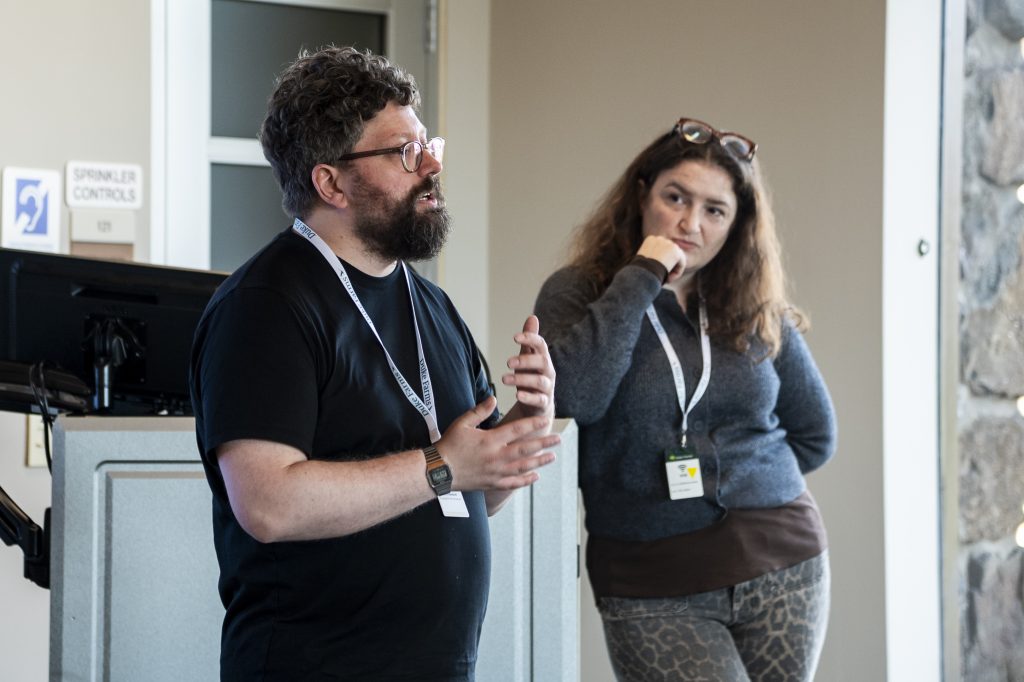
This playful and interactive workshop explored creative approaches to help young people participate in climate conversations, advocacy, and meaningful action. The session featured Ariana Katrin Katrinardottir, Education Project Manager at Reykjavik Art Museum, Runar Orn Marinosson, Museum Educator at Reykjavik Art Museum, Jennifer Torrance, Youth Climate Advocacy Committee Coordinator at Phipps Conservatory and Botanical Gardens, and Alyssa Mule, High School Programs Coordinator at Phipps Conservatory and Botanical Gardens.
Presentation Slides:
- Youth Advocacy in Museum Education at Reykjavik Art Museum
- Youth Climate Engagement at Phipps Conservatory and Botanical Gardens
Resources:
Buildings, Energy, and Decarbonization
Megan O’Keefe, Director of Sustainability, and Mallory Geresy, Natural Resources Manager at Cincinnati Zoo and Botanical Garden, and Sabrina Jones, Senior Director of Advancement at The Mariners’ Museum & Park, joined Jon Wagar, Deputy Executive Director at Duke Farms for an in-depth panel discussion on decarbonization at all levels of operations.
Video Recording:
Presentation Slides:
- Decarbonization at Cincinnati Zoo and Botanical Garden
- Decarbonization at The Mariners’ Museum & Park
Sustainable Exhibits and Resource Management
Adam Mitchell, Sustainability Principal at CambridgeSeven, Leslie Tom, Chief Sustainability Officer at The Wright Museum, and Camille Kirk, Sustainability Director at J. Paul Getty Trust, examined practical approaches for reducing environmental impacts of exhibitions, materials, and institutional resource use.
Video Recording:
Presentation Slides:
Learning to Look at Climate Data: Using Visual Thinking Strategies to Build Observation, Inquiry, and Engagement
Tara Geer, Program Director of Visual Thinking Strategies Institute (VTSI) and Kerri Ziemann, Program Director at The Wild Center, explored participatory tools that use observation, inquiry, and climate data to strengthen visitor learning and engagement.

Presentation Slides:
Photography
Questions? Resources to share? Contact alampl@phipps.conservatory.org or 412-622-6915, ext. 6752
PRESENTED BY


About Phipps: Founded in 1893, Phipps Conservatory and Botanical Gardens in Pittsburgh, PA is a globally recognized green leader with a mission to inspire and educate all with the beauty and importance of plants; to advance sustainability and promote human and environmental well-being through action and research; and to celebrate its historic glasshouse. Encompassing 15 acres including a historic 14-room glasshouse, 23 distinct indoor and outdoor gardens and industry-leading sustainable architecture and operations, Phipps attracts more than half a million visitors annually from around the world. Learn more at phipps.conservatory.org.
About Duke Farms: Duke Farms is a living lab where we develop model strategies for nature restoration, wildlife conservation, and clean energy transition. Located on 2,700 acres in Hillsborough, New Jersey, our campus is a gathering place for global decision-makers and local neighbors to spark change. Duke Farms is a center of the Doris Duke Foundation which strives to build a more creative, equitable, and sustainable future. Learn more at dukefarms.org.

