 Sinhala
  English
  Chinese
  Czech
Czech  German
  French
  Hebrew
  Hindi
Hindi  Italian
  Japanese
  Korean
  Malayalam
  Portuguese
  Spanish
  Swedish
  Swahili
  Tamil
Tamil  Ukrainian




Denver Botanic Gardens: Demonstrating the Promise of Clean Energy Infrastructure and Food Production
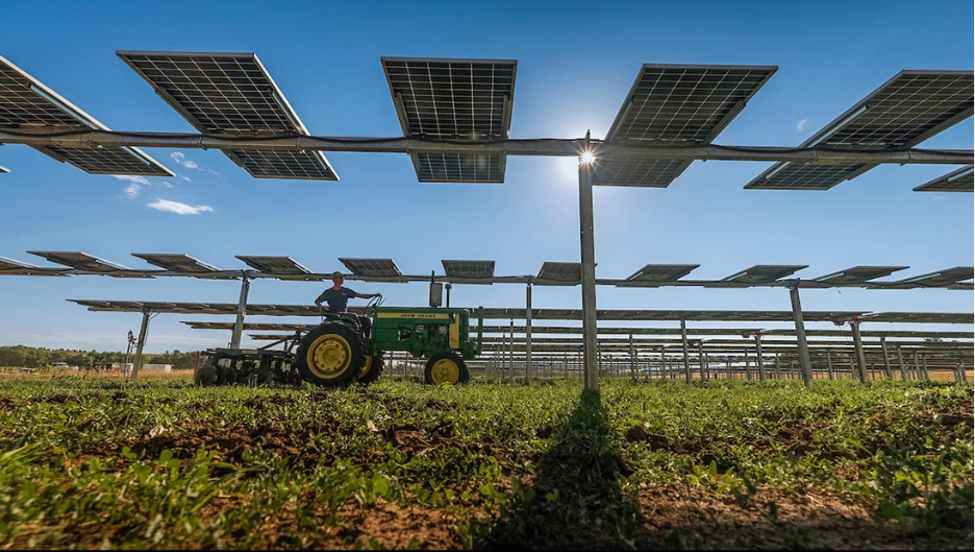
Denver Botanic Gardens (DBG) has been a Climate Toolkit partner since November 2021. The main focus area DBG has identified from the Climate Toolkit is mitigation of the waste produced in daily operations of the garden. Some of the goals they have already achieved in this field are the elimination of single-use plastics and sale of plastic water bottles, and the reuse of all recyclable material. Looking ahead, they have identified a goal of composting of 100% of food waste to be completed by 2028. Many other projects are taking place around DBG, such as maximizing land use, supporting research into region-specific areas of climate change, and multiple engagement initiatives.
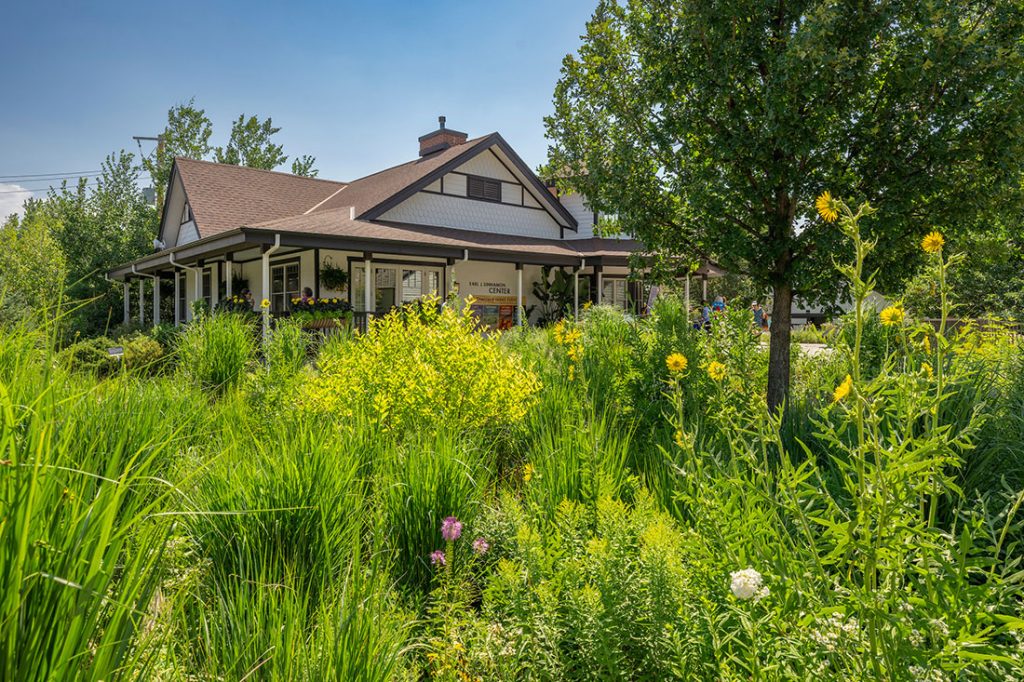
One example of region-specific action being taken at DBG is through water stewardship initiatives across Denver. The focal point of this action is the One World One Water Center (OWOW). OWOW was created in collaboration between DBG and Metropolitan State University of Denver as a water education center for the university. The goal of OWOW is to create an interdisciplinary environment for people of all backgrounds to learn about water conservation and become involved in environmental solutions regarding water use. At the OWOW, they also offer a minor in Water Studies as well as multiple certifications in Water Studies for people that want to learn more about sustainable water use and conservation.
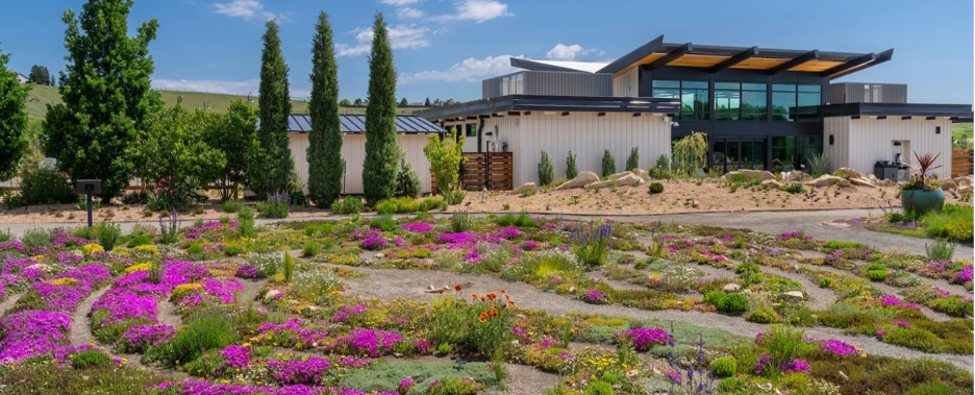
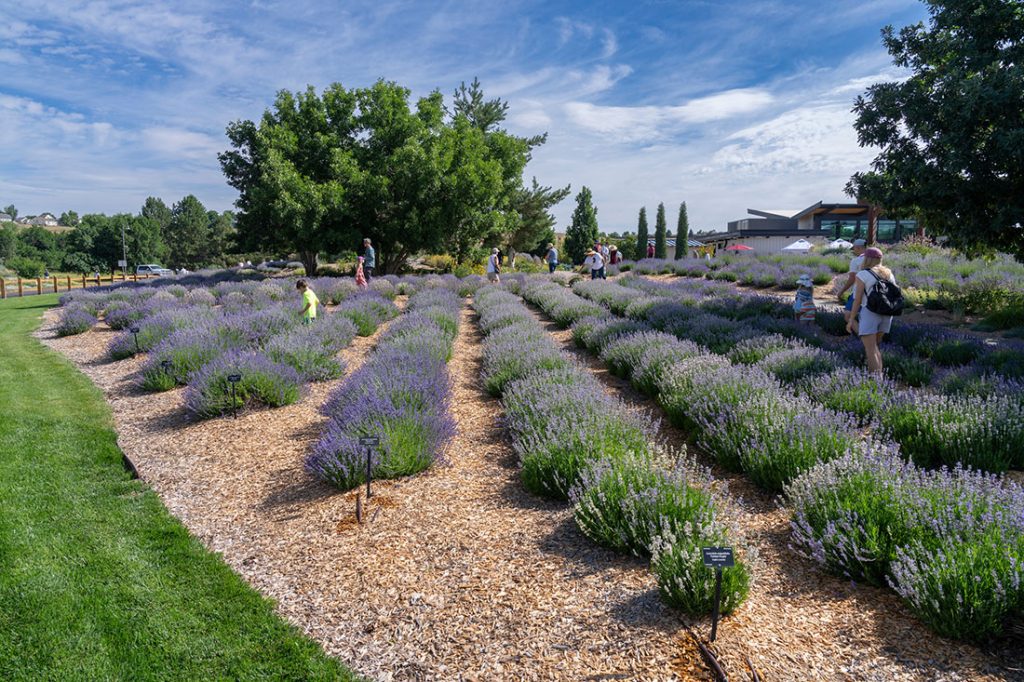
In addition to the sustainability projects, DBG also runs Chatfield Farms, a historic farm in Littleton. This farm is a nexus for agriculture and community providing a natural farming location for research and promotion of aspects of climate action through the lens of agriculture. By coordinating community outreach in the greater Denver area and the creation of public programs, Chatfield Farms has taken a place as a facilitator of climate action and environmental consciousness. Chatfield Farms supports this outreach through many programs and events that supplement the climate conservation goals of Denver Botanic Gardens. Some of these events involve teaching people about local biodiversity, sustainable farming, and the impact of native plants on the environment. These programs can be grouped into broadly applicable areas of climate action and education, which include community engagement, sustainable production, and regenerative agriculture.
Community Engagement
In climate action, one of the strongest ways to make change is by fostering positive community engagement with the environment and the idea of climate change. Research has found that most people care about improving the health of the environment, but generally feel like they are alone and, erroneously, believe that others do not care as much as they do. By creating a communal space of positive climate action, institutions can show people that there is tangible work being done to address the future of climate change.
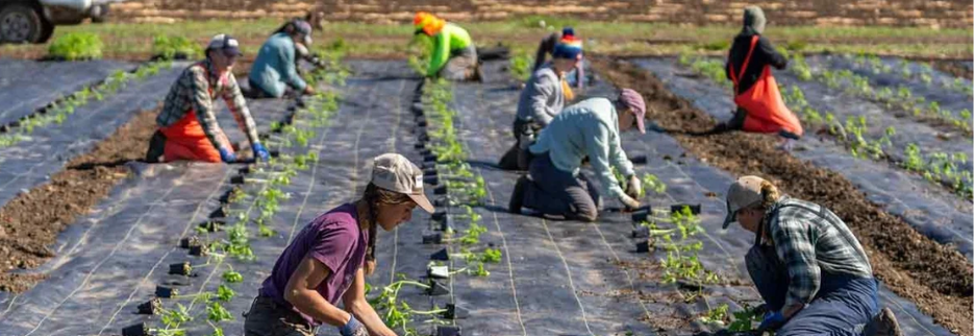
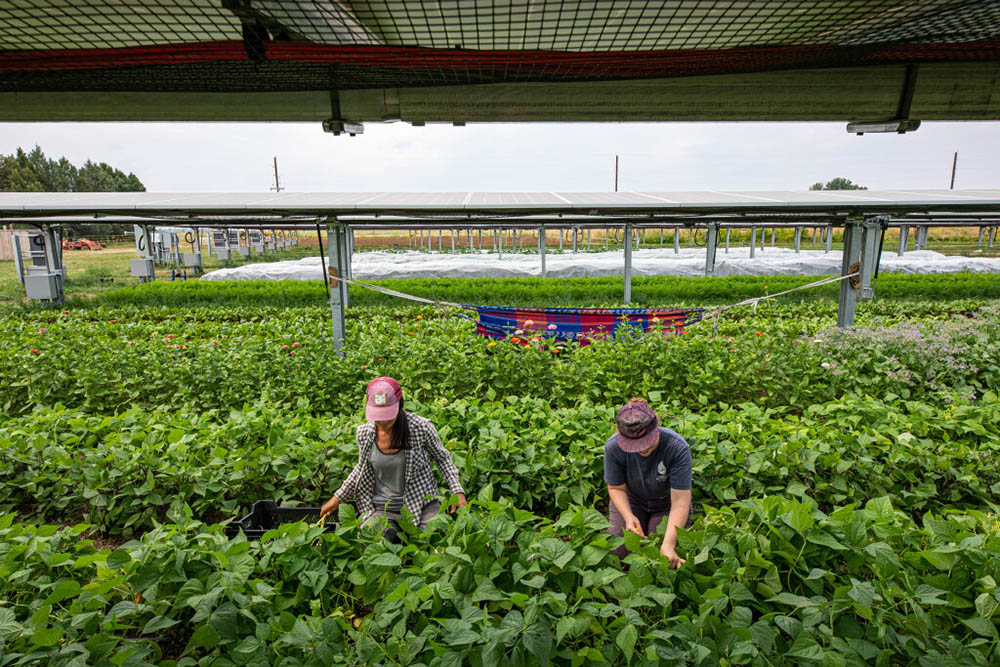
An important part of the community engagement at Chatfield Farms is their Community Supporting Agriculture (CSA) program. Beginning in 2009, CSA at Chatfield Farms provides produce for local farm stands and public food shares on a six-acre farm. Through local production of food and its direct distribution, CSA reduces transport and storage costs of food and helps the public be more attuned to the needs and benefits of local farming. CSA helps communities grow not only through supplying healthy foods, but also through the educational experience of growing their own food. The process of a community helping to grow its own food helps to increase popular investment in the climate, as the health and output of crops is responsive to variations in weather and temperature.
Strolling Stories is a community engagement program held at Chatfield Farms directed at a younger audience to get them thinking about the local biosphere. It takes information and concepts that youth may be unfamiliar with and presents them lens in the form of nature walks and storytelling. Topics range broadly from, “Why do plants have seeds?” and, “What types of wild animals do we see on farms?” to “What patterns do we see in nature?” and, “What colors do we see in autumn leaves?” In this way, Strolling Stories gets the next generation thinking about the natural world around them, why it is the way they see it, and how they are a part of a broader, interconnected ecosystem. Activities like these promote generations of climate-conscious individuals far more attuned to their local ecosystems.
Sustainable Production
Sustainability is a major action area that permeates many of the focus areas and actions in the Climate Toolkit. Some of the best ways to commit to climate action involve understanding how we utilize resources and where we can use materials more efficiently. One area where DBG and Chatfield Farms’ commitment to sustainability can be seen is in the on-site production of energy.
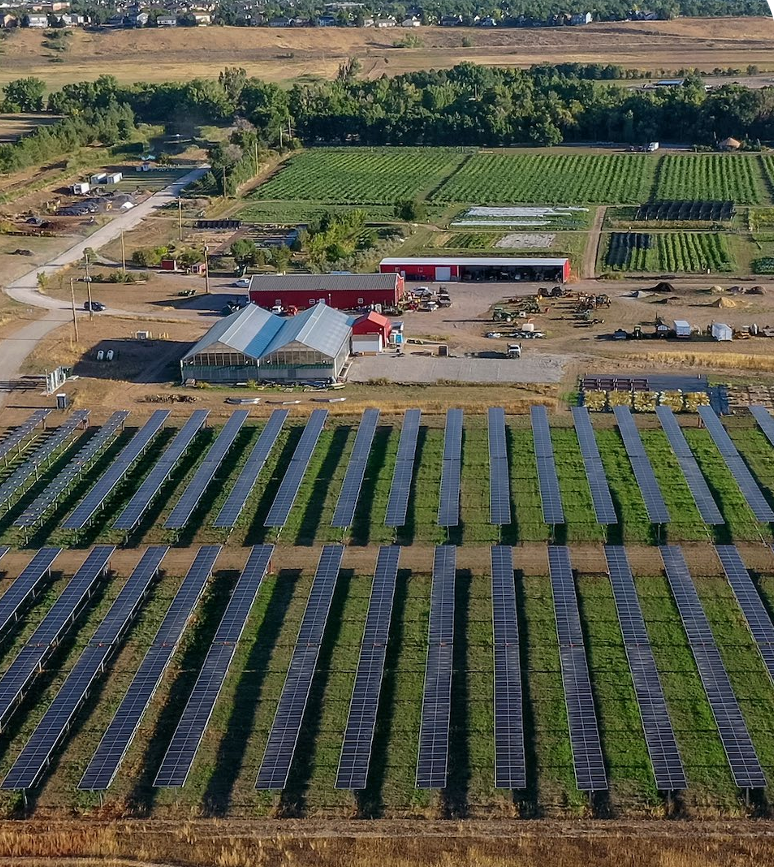
The agrivoltaics farm is a program at Chatfield Farms that illustrates sustainable production of energy. This is a four and a half acre, mixed-use area where agriculture and solar panels are brought together to produce more than either could on the same area of land. The agrisolar field at Chatfield Farms produces enough energy to power the farm while providing green energy to low-income households in Denver. Chatfield Farms worked with an energy company in Denver to make sure that the energy supplied by the solar panels would be sufficient to prevent the need for any natural gas lines to new buildings constructed on the premises.
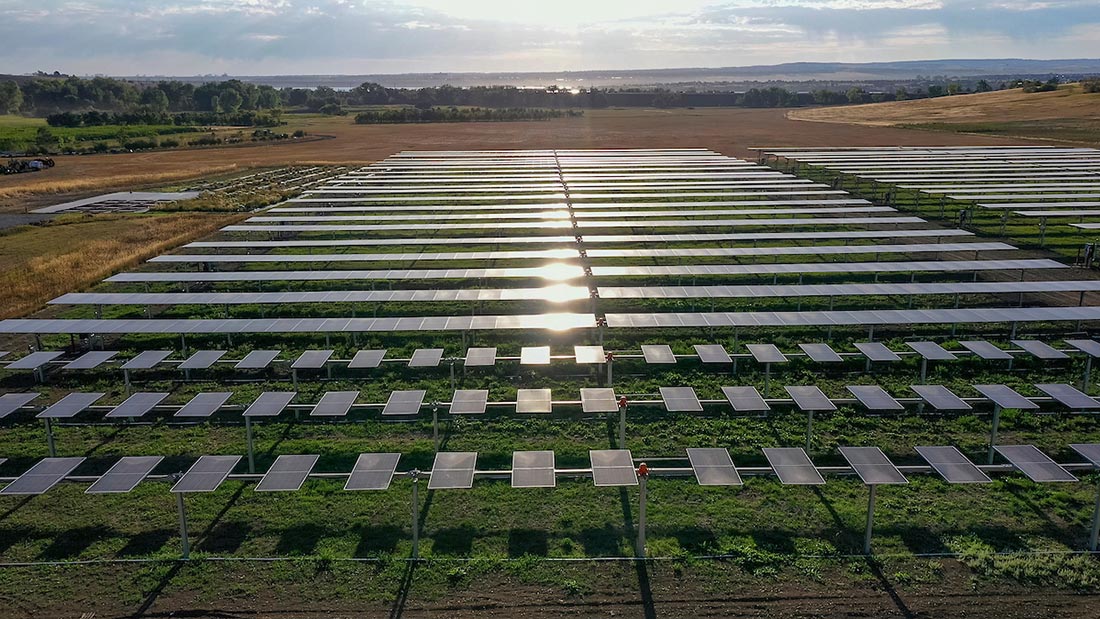
The agrivoltaics project at Chatfield Farms produces enough electricity to power other on-campus decarbonization initiatives such as the use of heat pumps for climate control in buildings. Project Drawdown, an independent organization that scientifically studies and ranks climate solutions, found installing heat pumps to be a low-effort way to reduce emissions. Heat pumps are more effective when the energy that they draw power from is produced by decarbonized methods. Therefore, the model at Chatfield Farms is the highest efficiency emissions reduction that heat pumps can provide.
Regenerative Agriculture
Regenerative agriculture is an increasingly important area for climate action to consider as rising temperatures lead to processes like aridification and desertification in previously fertile areas. Denver Botanic Gardens and Chatfield Farms excel in regenerative agriculture. Through research into local ecosystems and native Colorado plants, DBG recognizes the interconnectivity of land, plants, and people by looking for sustainable avenues to pursue resilient and regenerative agriculture. While the interconnectivity of all parts of agriculture is important to note, some of the important areas of study in regenerative agriculture that are taking place at Chatfield Farms are the biosphere of soil and the effects native plants have on the ecosystem.
DBG illustrates its commitment to sustainable land use and regenerative agriculture in many ways. One specific program that exemplifies this is the Sustainable Landscape Service. This program began in 2017 and seeks to provide an avenue for education in practical landscapes. One of the main goals of the Sustainable Landscape Service is to educate both public and private landowners on efficient use of natural resources at their disposal. This initiative goes hand in hand with regenerative agriculture, as it provides a scaffolding for matching the needs of the land with the designs of its stewards.
Regenerative agriculture seeks to utilize land in such a way that promotes increased soil productivity by improving the biosphere and free nutrients in the soil. Regenerative agriculture also promotes sequestration of carbon in the soil itself as plants grow and take up carbon. As people become more engaged with regenerative agriculture it quickly becomes apparent how protecting native plants and biodiversity is an important tool for improving climate resilience anywhere.
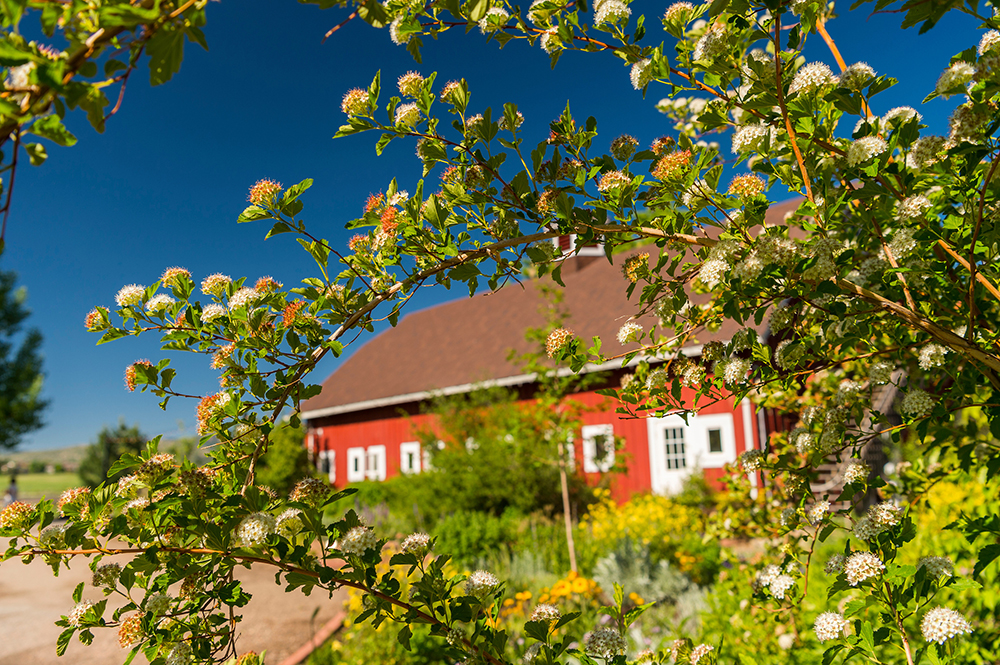
Soil management and biodiversity research are important areas for the environmental health of the land. Promotion of soil biodiversity is an area of climate resilience that can often be overlooked in favor of goals that appear more outwardly impressive. Throughout history, humans have found ways to promote the health of the land, from the three sisters efficiently using space and fixing the available nutrients in the soil, to the addition of natural organic materials to mimic some of the benefits of high biodiversity in soil. Chatfield Farms recognizes that soil health is integral for production on farms, and holds events to educate homeowners, gardeners, and people who work on landscapes about the benefits of biodiversity and native plant agriculture.
Further climate-conscious development of Chatfield Farms can be seen through their creation and implementation of a Master Development Plan. This plan outlines the changes and additions the administration of Denver Botanic Gardens is planning to make at Chatfield Farms and contains many aspects for development that fight climate change on an institutional level. Some of the plans include construction of sustainable buildings, improved sustainability of infrastructure, planting of gardens that showcase resilient native biodiversity, and the creation of community-oriented spaces that illustrate commitment to the practice of climate consciousness.
As a member of the Climate Toolkit, Denver Botanic Gardens has been a standout partner in their commitment to climate action and education. The public programs they provide illustrate a framework for reducing emissions from food and energy production while promoting local sustainability. Together, the Gardens and Chatfield Farms continue to cultivate greater public commitment to fighting climate change by fostering an environment of strong, positive climate action.


ප්රතිචාරයක් ලබාදෙන්න