Portuguese
  English
  Chinese
  Czech
Czech  German
  French
  Hebrew
  Hindi
Hindi  Italian
  Japanese
  Korean
  Malayalam
  Sinhala
  Spanish
  Swedish
  Swahili
  Tamil
Tamil  Ukrainian




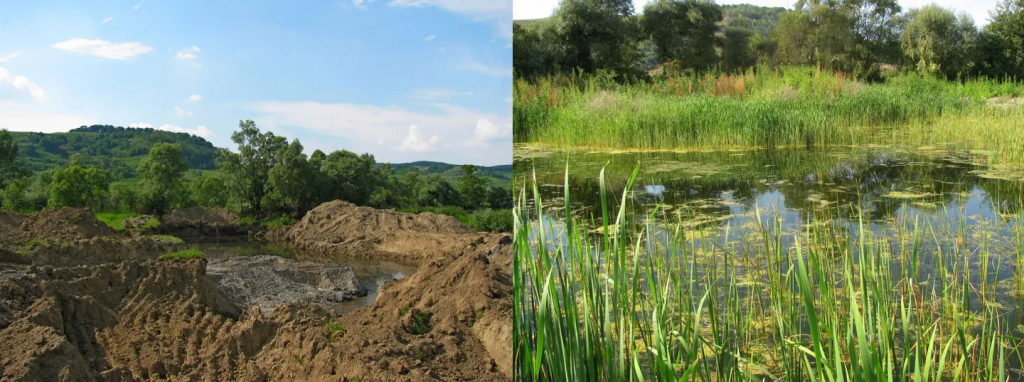
Some of the most impactful actions we can take to mitigate climate change is through reversing ecological degradation and restoring earth systems for the benefit of both humans and nature. Ecological restoration and sustainable landscape management are key tools to limit or reverse the extreme effects of climate change.
Cultural institutions have the opportunity to utilize their platforms, resources, and community trust to advance the science, practice, and policy of ecological restoration. Through a combination of nature-based solutions, education, community empowerment, and prioritization of earth-aligned practices, we can facilitate global cooperation to sustain biodiversity, improve resilience in a changing climate, and reestablish ecologically healthy relationships between nature and culture.
Clique em baixo para ler mais sobre cada objetivo e explorar outros recursos. Se tiver alguma dúvida, envie um e-mail para o Climate Toolkit em climatetoolkit@phipps.conservatory.org.
Listed below are the Ecological Restoration and Landscapes goals of the Climate Toolkit:
Protect Existing Forests and Other Natural Spaces
Introduction:
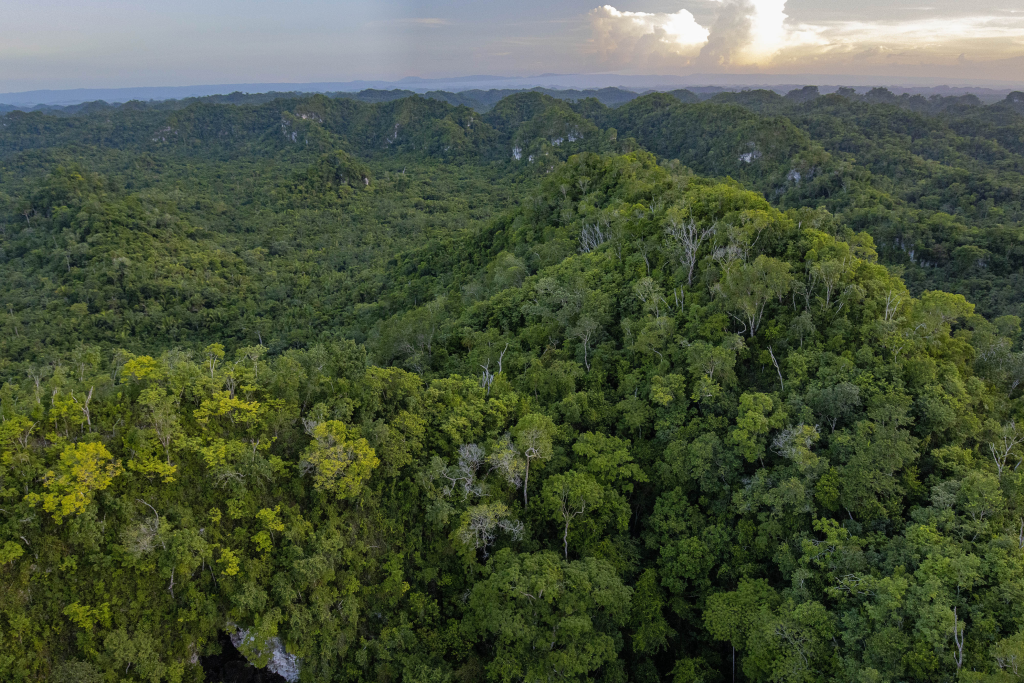
From deciduous forests to peatlands and coastal wetlands, natural spaces have a vital role to play in the effort to mitigate climate change. These spaces are carbon sinks: they absorb CO2 from the atmosphere and convert it into biomass. Beyond their climate efficacy, existing forests and natural spaces support biodiversity and play a role in the scientific, cultural, and historical knowledge of a region, making their need for care and attention from cultural institutions acute as any artifact.
The Intergovernmental Panel on Climate Change (IPCC) notes that deforestation and land-use changes contribute to around 21% of global greenhouse gas emissions. While reforestation has a part to play, the protection of existing forests is critical. Protecting existing young secondary forests can provide up to eight times more carbon removal per hectare than new regrowth.
Ways Your Institution Can Help:
- Adopt Nature-Positive Policies to Preserve Your Institution’s Natural Spaces
If your institution owns land – particularly land that includes greenspace – formalizing policies for its care and protection can serve as a valuable guide to current and future staff and leadership. Duke Farms’ “Nature Positive, Carbon Negative” document is a good example of these policies in action.
- Direct Resources Toward Conservation Partnership to Protect the Spaces Around You
By contributing staff time and resources — through volunteering, research collaborations and other partnerships — your institution can become part of a community effort to protect local spaces in your region. Explore Woodland Park Zoo’s “Forests For All” campaign to learn how your institution can become a catalyst for conservation.
- Tell the Story of Forests to the Public
Using the tools of museum interpretation to bring new perspective to your region’s forests, you can reintroduce the beauty and efficacy of these spaces. See the Smithsonian’s traveling Knowing Nature exhibit at Peabody Essex Museum for an example.
Recursos:
- Braiding Indigenous and Western Knowledge for Climate-Adapted Forests (Braiding Sweetgrass Report)
- Project Drawdown Explorer – Protect Forests (Retirada de fundos do projeto)
- Protecting Forests Vital to Tackling Climate Change (UNFCCC)
- Climate Solutions – Healthy Forests (Citizens Climate Lobby)
- Protect Young Secondary Forests (Nature)
- Protect Old-Growth Forests (Old-Growth Forest Network)
- Solutions to Climate Change (The Nature Conservancy)
- Soluções baseadas na natureza (Global Program on Nature-Based Solutions for Climate Resilience)
Increase Tree and Plant Cover to Sequester Carbon and Support Local Ecology
Introduction:
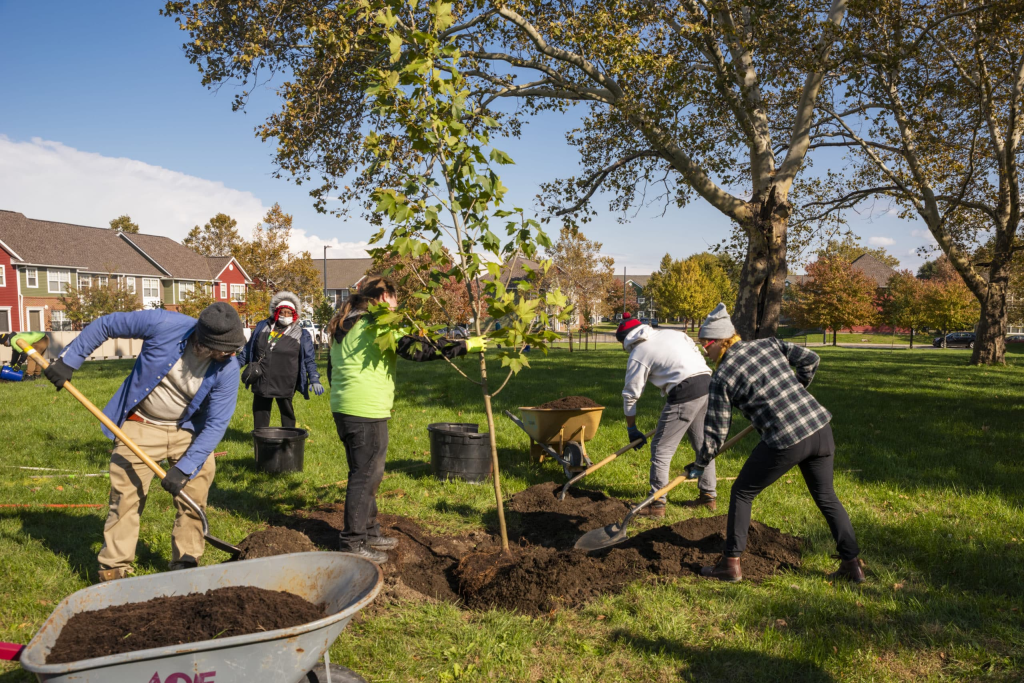
Trees capture carbon dioxide by transforming it into biomass during the process of photosynthesis. Trees act as one of the largest carbon sinks on Earth, influencing air temperatures, reducing rainwater runoff and mitigating carbon emissions within local ecosystems. According to the U.S. Forest Service, existing trees in the contiguous United States actively offset the equivalent of more than 14 percent of economy-wide carbon dioxide emissions today. However, nearly 33 million hectares of forest land are understocked, and could increase carbon sequestration by approximately 20% if planted with appropriate tree saplings. To become a successful carbon sink, trees need to be healthy and planted within their hardiness and climate zone. Planting healthy and hardy trees — both on your campus and beyond — can have a major impact on reducing climate change and supporting the environment. The better we support our trees, the more carbon they can sequester.
Ways Your Institution Can Help:
- Plant trees and climate resilient plants on campus.
Work with staff and grounds managers to identify target areas in and around your institution – especially under-utilized spaces, grass lawns, weeds, parking lots, etc. – which could support new plantings of native and hardy climate-appropriate tree and plant species. Read about The Field Museum’s sustainable landscaping initiative for inspiration.
- Partner with local tree planting organizations and support community greening projects.
Identify the local tree planting experts in your community and reach out to form partnerships. Your institution can utilize its resources available (funding, staff, volunteers) to support the mission of amplifying community greening projects. Read how the Cleveland Metroparks Zoo’s partnership with Rooted in Trees lead to the first Miyawaki mini-forest planting at a zoo.
- Formalize an urban and community tree program which supports the health, diversity, and equitable distribution of trees throughout the region.
Your institution can take action to improve the tree canopy coverage through your surrounding region – especially in underserved and disadvantaged communities and neighborhoods. Check out The Morton Arboretum’s Chicago Region Trees Initiative for a strong example of using your platform to create partnerships and coordinate action to increase tree canopy and resilience.
Recursos:
- Nature-Based Solutions Webinar (Kit de ferramentas para o clima)
- Sumidouros e sequestro de carbono (Comissão Económica para a Europa das Nações Unidas)
- Florestas urbanas e alterações climáticas (Departamento de Agricultura dos Estados Unidos, Serviço de Forrest dos Estados Unidos)
- Como as florestas armazenam carbono (Universidade de Penn State)
- I-Tree (Serviço Florestal do USDA)
- Landscaping with Trees, Shrubs, and Groundcover (University of Florida)
- Guia de árvores urbanas recomendado por Cornell (Cornell University, Department of Horticulture)
Provide Professional and Public Ecological Restoration Education and Training
Introduction:
Institutions with expertise around ecological restoration and related topics have a unique opportunity to share their knowledge and insights with passionate members of the public. Whether engaging land care professionals or hobby gardeners, offering training and education classes can create a cascading impact of building community capacity and knowledge.
According to Empowering Future Generations, “teaching about ecosystems and restoration fosters a sense of responsibility and connection to one’s environment. It ensures that environmental activism transcends generations, helping to sustain restoration efforts and fostering a continuous commitment to our planet.” The UNFCCC page on Action for Climate Empowerment also recognizes education, training, public participation and access to information, and broad collaboration between different sectors of society as crucial to successful climate action.
Ways Your Institution Can Help:
- Offer classes and certification courses on sustainable landscaping and gardening
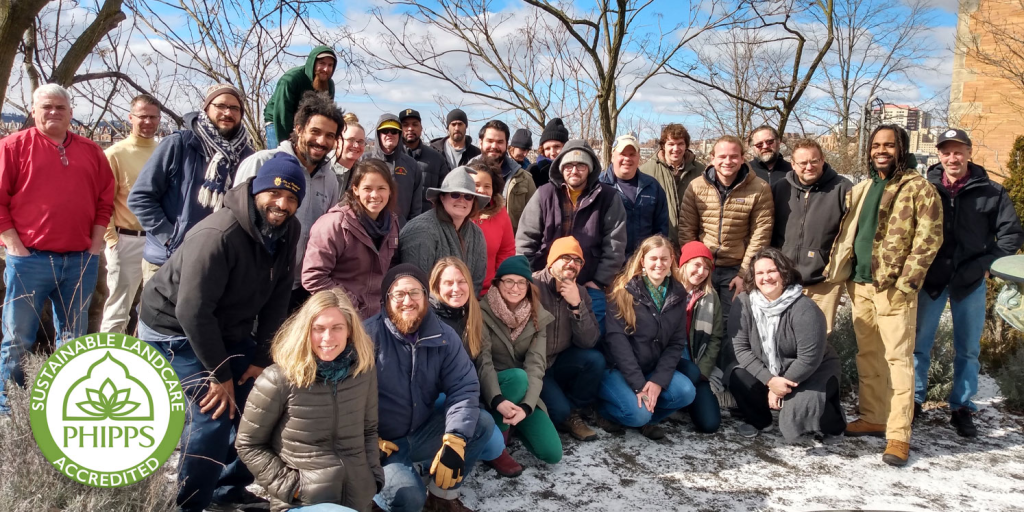
Utilize your institutional platform to offer training and accreditation courses on holistic garden and landscaping practices, especially around rainwater management, green roof installation, lawn to meadow replacements, and sustainable landscaping equipment. Read about Phipps Conservatory’s Sustainable Landscaping accreditation courses for land care professionals
- Provide internships, training, and career pipeline opportunities for students and youth.
Engage students and youth in hands-on learning and community outreach opportunities, teaching practical skills and knowledge around conservation, urban habitat, climate-resilient landscapes, biodiversity, and plant-wildlife interactions. UC Davis Arboretum’s Habitat Horticulture e Sustainable Horticulture internships are great examples.
- Hold native tree and plant sales and/or giveaways paired with resources and information.
Cultural institutions can provide trusted resources such as sustainable plants lists, “right-plant-right-place” guidelines, and relevant educational information about natural carbon sinks. Read how Cornell Botanic Gardens provides a variety of resources and trainings.
Recursos:
- Ecological Restoration Toolkit (Society for Ecological Restoration)
- SER Webinars
- Empowering Future Generations: Teaching Environmentalism and Ecosystem Restoration in Schools (UN Decade on Ecosystem Restoration)
- A Kids Guide to Ecological Restoration (Rewilding Institute)
- Sustainable Land Care Standard (Universidade de Waterloo)
- Sustainable Landcare Accreditation (Conservatório Phipps)
Support and Advance Urban Agriculture
Introduction:
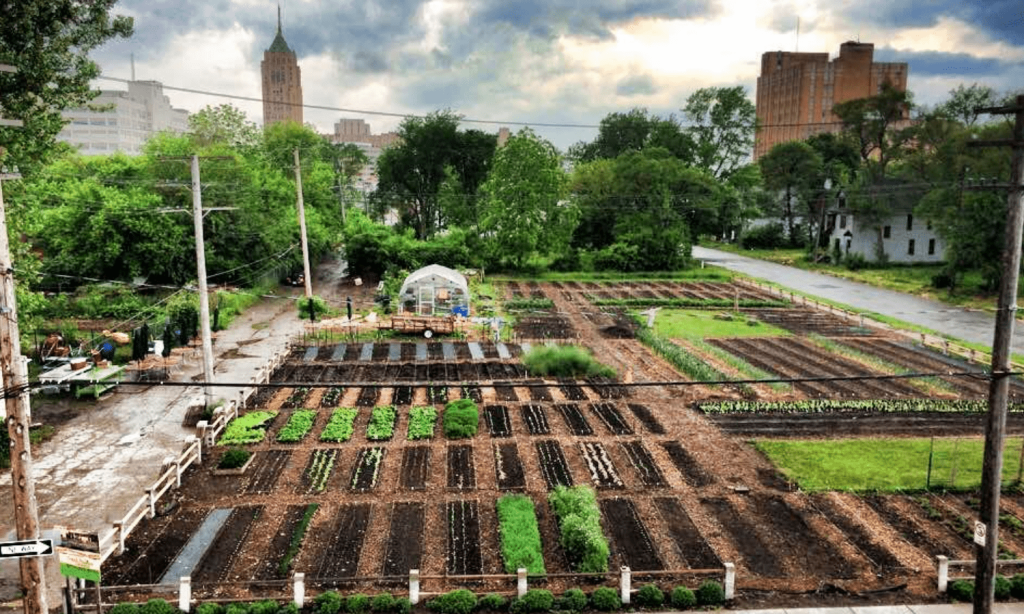
According to Frontiers in Sustainable Food Systems, over the last two decades urban agriculture has grown from an action to a movement, generating international interest and propelling its messaging beyond the production of food. Urban agriculture ties together climate resilience, restorative community practices, and environmental health, making it a vital subject when instituting ecological restoration efforts. By actively supporting through partnerships and advancing through messaging, institutions can increase food and climate literacy, helping to improve communities carbon footprint, reinforce the positive results of leading with a plant-forward diet, increase green spaces, and thereby, lower heat island effect.
Urban gardens and food centers create safe, inviting spaces, not only for community members, but wildlife as well. This can make a big difference in neighborhoods, big or small. Connecting on a local level can grow interest, help build connections, and encourage new guests to get curious about how they can be a part of lowering our agricultural-based carbon footprint.
Ways Your Institution Can Help:
- Grow organic vegetables and produce on site via community gardens and rooftop gardens.
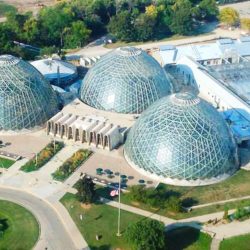
Cultural institutions have a unique opportunity to demonstrate urban gardening practices to visitors and surrounding communities through exhibits, outdoor demonstration gardens and rooftop garden spaces. Take it one step further by growing local produce to be used for your café or food services. Check out Madison Children’s Museum rooftop garden case study for inspiration.
- Actively support urban agriculture infrastructure in your surrounding communities
Museums and gardens can increase community access to fresh produce, promoting better food choices and improving the overall health of families and children. For instance, Phipps Conservatory’s Homegrown Initiative has installed over 400 raised-bed vegetable gardens at households in underserved neighborhoods and provided mentorship and resources to hundreds of community members.
- Provide accessible resources online or in-person to help surrounding communities connect with each other
Develop an online gardening outreach hub which provides horticulture education, training, and technical assistance to residents, community gardeners, urban farmers, local schools, and community organizations. Look at NYBG’s Bronx Green-Up program as a leading example.
Recursos:
- Urban Agriculture Toolkit (USBG and Chicago Botanic Garden)
- Johns Hopkins Center for a Livable Future (Johns Hopkins University)
- USDA Climate Hubs (United States Department of Agriculture)
Maximize Use of Electric Landscape Maintenance Equipment
Introduction:
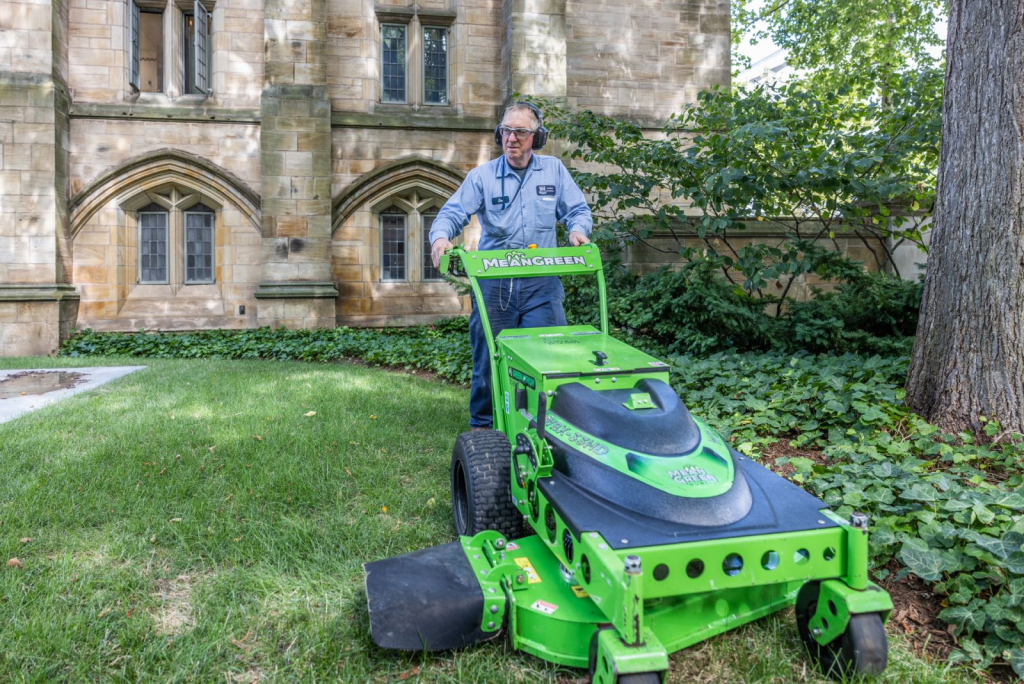
Using lawn and garden equipment is essential to maintaining beautiful landscapes on campus and in community, yet fossil-fueled equipment can pollute the environment. The quality and performance of electric, rechargeable landscape equipment can now rival fossil fuel-based equipment for most situations and has the benefit of not releasing toxic emissions into the atmosphere.
According to research data collected by the Environmental Protection Agency (EPA), an estimated 800 million gallons of gasoline are used to power lawn mowers and other horticulture equipment every year. One common type of engine called the two-stroke does not have an independent lubricant system, so fuel and oil are mixed, which makes it difficult for the machine to combust them. Multiple studies have shown that two-stroke equipment (including a consumer grade leaf blower) can release more hydrocarbons than a pickup truck or a sedan.
Ways Your Institution Can Help:
- Phase out fossil-fuel based equipment and utilize electric alternatives.
Identify your fossil-fuel based equipment and find a feasible starting point to begin your transition to electric. Some electric equipment alternatives include electric lawn mowers, trimmers, blowers, chainsaws, and weed whackers. For example: Heritage Museums & Gardens.
- Join the Climate Toolkit Electrification Working Group
Founded in 2023, the Climate Toolkit Electrification Working Group consists of 35 member institutions in 21 states who meet quarterly to trade resources and best technologies towards achieving electrification goals. Join this network of likeminded peers and start the transition from fossil fuel to electric alternatives.
Recursos:
- Webinar 15: Estratégias de eletrificação (Kit de ferramentas para o clima)
- Equipamento elétrico para horticultura: O que estamos a utilizar (Kit de ferramentas para o clima)
- Manutenção do relvado e alterações climáticas (Universidade de Princeton)
- Até que ponto os sopradores de folhas a gás são maus para o ambiente? (The Washington Post)
Use Integrated Pest Management and Sustainable Land Care Practices

Introduction:
Most non-organic pesticides and fertilizers are derived using fossil fuel. These fertilizers pollute waterways, farmlands, and surrounding local environments. Additionally, they require energy to be produced and are a danger to human and animal health.
According to the academic journal Soil Biology & Biochemistry, fertilizers are frequently used within mono-cropping farms which grow a single crop consistently on the same land. This farming practice depletes the soil of its nutrients, so the continual application of fertilizers is necessary to supplement these basic nutrients. Because the soil is depleted of essential nutrients, it is not able to absorb and store as many air pollutants, such as carbon dioxide, as healthy soil.
Pesticides are designed to keep unwanted weeds, insects, rodents and fungi at bay, but most of these chemicals have severe human and environmental health effects. Based on findings published by the International Research Journal in Environmental Science and Toxicology, pesticides applied indiscriminately to soils and plants can leach into the surrounding environment, posing severe risks to drinking water, causing steep declines in pollinator populations, and contributing to air pollution and atmospheric degradation
Using integrated pest management, organic farming techniques, fossil-free pesticides and fertilizers, and hardy/native plants can significantly reduce chemical pollution.
Ways Your Institution Can Help:
- Embrace integrated pest management (IPM) practices.
Integrated Pest Management (IPM) aims for a multi-step approach to control unwanted pests in a way that is least detrimental to the surrounding environment. Ensure that pesticides are only used when necessary and explore alternative solutions first, such as organic herbicides or release of natural predators. Read how Botanic Gardens of Sydney e Jardim Botânico da Universidade de Cambridge employ IPM practices to holistically manage collections and minimize environmental impact from fossil-fuel based toxic pesticides.
- Use organic materials for fertilizing plants and landscapes
Enrich soils with natural substances such as compost, manure, coffee grounds, etc. Add on-site natural waste, such as food scraps, to composting to then use as fertilizer. Read about Ganna Walska Lotusland’s four pillars of sustainable horticulture and their innovative partnership which utilizes local fish waste as a natural organic fertilizer for the gardens.
- Educate visitors and community on sustainable land management
Educate others on working with nature to improve soil health, conserve water, and build biodiversity. Host hands-on workshops or create demonstration gardens to better show the importance of holistic fossil-free gardening. Read about Natural History Museum of Los Angeles County’s “Nature Gardens” display for visitors.
Recursos:
- Climate Toolkit Webinar 6: Integrated Pest Management (Kit de ferramentas para o clima)
- Improving Sustainability in Agriculture and Communities (IPM Institute)
- Solos e nutrientes para plantas (Universidade Estadual da Carolina do Norte)
- A solução dos fertilizantes tornou-se um grande problema climático (Antropoceno)
- Poluição agrícola industrial 101 (Conselho de Defesa dos Recursos Naturais)
 para filtrar as ORGANIZAÇÕES que atingiram um determinado objetivo.