 Ukrainian
  English
  Chinese
  Czech
Czech  German
  French
  Hebrew
  Hindi
Hindi  Italian
  Japanese
  Korean
  Malayalam
  Portuguese
  Sinhala
  Spanish
  Swedish
  Swahili
  Tamil
Tamil 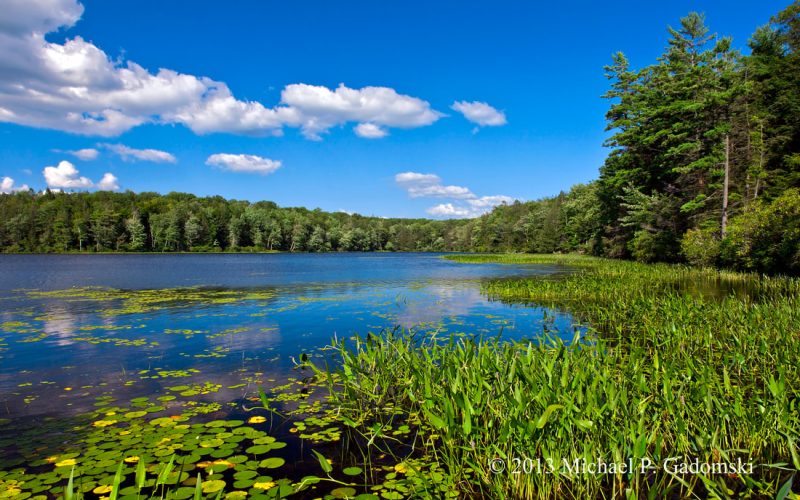
у партнерстві з





Lacawac Sanctuary Field Station and Environmental Education Center works at the intersection of climate change, ecological research, and public education, studying how changing climate conditions affect freshwater systems, forests, and biodiversity in northeastern Pennsylvania. Through this community, we hope to share knowledge, collaborate on solutions, and strengthen collective action that supports climate resilience at the local and regional level. We are best positioned to make a difference by combining long-term scientific research with hands-on education, citizen science, and community engagement that empowers people to understand climate impacts and take informed, meaningful action.
Lacawac also serves as a regional hub for ecological observatory networks (EONs)—collaborative research networks that use sensors, long-term monitoring, and big data to understand large-scale ecological and environmental change, especially how climate change is altering freshwater ecosystems and their services. Through this community, we aim to advance climate science, train the next generation of scientists, and connect research with public outreach and policy, fostering interdisciplinary collaboration among students, researchers, educators, and community members. Lacawac is uniquely positioned to make a difference by leveraging decades of long-term ecological data, state-of-the-art monitoring infrastructure, and its role within networks like the Global Lake Ecological Observatory Network (GLEON) to generate actionable insights about climate impacts and to empower local and regional stewardship through education and citizen science.

Представлено
Консерваторія та ботанічний сад Фіппса
Автоматичний переклад зроблено на основі

Чи допомагає вам переклад? Чи він точний?
Нам потрібен ваш відгук!
ЗВ'ЯЗУЙТЕСЯ З НАМИ з питаннями та коментарями.