 Czech
Czech  English
  Chinese
  German
  French
  Hebrew
  Hindi
Hindi  Italian
  Japanese
  Korean
  Malayalam
  Portuguese
  Sinhala
  Spanish
  Swedish
  Swahili
  Tamil
Tamil  Ukrainian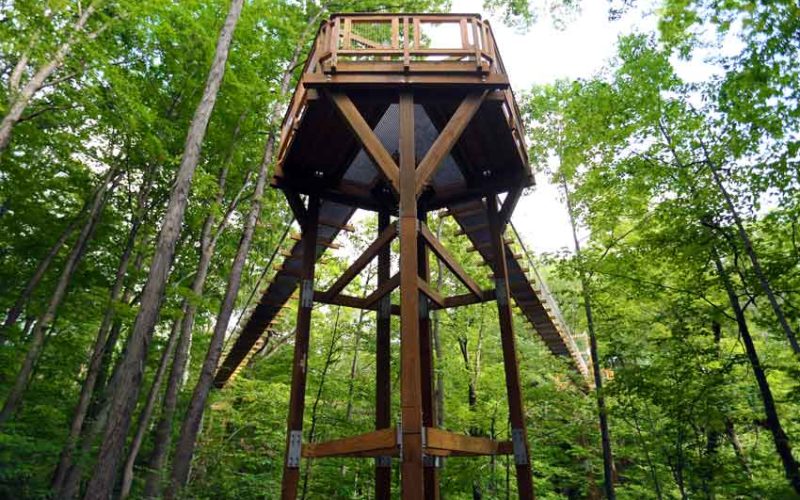
ve spolupráci s




9500 Sperry Road
Kirtland, OH 44094
 Zdroje
Jaké jedinečné situace a iniciativy jste podnikli nebo plánujete podniknout v souvislosti s řešením změny klimatu, které nebyly zachyceny v našem původním průzkumu?
Holden Forests and Gardens se skládá ze dvou areálů, městské Clevelandské botanické zahrady a příměstského Holden Arboretum. Holden Arboretum má 3000 akrů přírodních ploch včetně 2000 akrů lesa. Náš projekt "Working Woods" se snaží demonstrovat udržitelné lesní hospodaření, díky němuž mohou majitelé pozemků získat příjem a zároveň hospodařit na svých pozemcích tak, aby se zvýšila biodiverzita a zmírnila změna klimatu (např. zvýšení rychlosti růstu stromů, udržování dřevní hmoty v lese). Tento projekt spojuje výzkum s osvětovou činností a zároveň nám umožňuje zvýšit schopnost našich vlastních lesů zachycovat uhlík.
Jaké jsou nejpalčivější problémy nebo příležitosti ve vaší komunitě, které lze využít k řešení změny klimatu?
Jedním z naléhavých problémů je potenciální zvýšení teplot v městských oblastech a zvýšení "efektu tepelného ostrova" v důsledku změny klimatu. Jako zastánci výsadby stromů v městském a zastavěném prostředí můžeme svou prací zvýšit odolnost našich komunit vůči změně klimatu.
Jaké jedinečné vlastnosti vaší zahrady lze využít k řešení klimatických změn?
Jak bylo uvedeno výše, rozsáhlé přírodní oblasti v Holdenu slouží jako laboratoř a zároveň jako metoda, pomocí níž se Holden může učit, vzdělávat a zmírňovat dopady změny klimatu.
Teach facts and best practices to mitigate and reduce global climate change.
In FY23, our primary focus was on establishing recycling programs at both campuses. These campuses are now equipped to recycle everyday items, including glass. Composting initiatives have also seen significant growth with the introduction of the new composting area at ARB. We are actively exploring the potential for implementing food composting at ARB in collaboration with Rust Belt Riders.
In FY23, we identified Green Corps Interns as a key audience for climate education, equipping them with factual knowledge and practical strategies to reduce environmental impact. Interns applied this learning through hands-on sustainability actions, including ink-recycling initiatives that modeled waste-reduction best practices. Building on this approach in FY24, we hired a dedicated Green Corps intern to lead a food waste reduction initiative, focused on educating school groups about the climate impacts of food waste and implementing best practices to reduce lunch waste sent to landfills. Together, these efforts positioned interns as informed climate stewards who actively apply and share solutions that mitigate global climate change.
Additionally, to achieve this goal, we initially attempted to arrange a multi-day workshop for educators focused on climate change. Regrettably, the workshop was canceled due to low registration. Nevertheless, we adopted a new approach. In collaboration, our Education and Research departments hired a Teacher-in-Residence in the summer of FY24. This Teacher in Residence developed teacher-led lessons and educational materials on climate change and its mitigation. Lessons and other resources are available on our website for educators to download.
Eliminate all single-use plastic in food service, horticulture, gift shops, and all other facilities and operations.
We devoted significant efforts to pursue this objective, recognizing that eliminating single-use plastics may not always be feasible without viable alternatives. We have successfully addressed single-use options in both campuses’ food services by transitioning vending machines and water offerings to cans or self-serve stations. Our Horticulture department is actively experimenting with non-plastic alternatives for pots and other single-use plastic products. Moreover, our gift shops are switching suppliers to favor non-plastic packaging materials. In all other facets of our departments and operations, we diligently seek alternatives to single-use plastics wherever practical.
In addition, in FY24, the Sustainability Committee launched the Employee Single-Use Plastic Challenge to engage staff in reducing or eliminating single-use plastics across departments, events, projects, and programs at Holden Forests & Gardens. Through team-based planning and implementation, the challenge increased organizational awareness of the impacts of single-use plastic and prompted departments to more intentionally evaluate and adjust everyday practices. Results emphasized reduced reliance on disposable plastics, cross-team learning, and increased adoption of alternative practices, reinforcing a culture of mindful consumption and collective climate action.

Představil
Phippsova konzervatoř a botanická zahrada
Automatický překlad poháněný

Pomáhá vám překlad? Je přesný?
Chceme vaši zpětnou vazbu!
KONTAKTUJTE NÁS s dotazy a připomínkami.